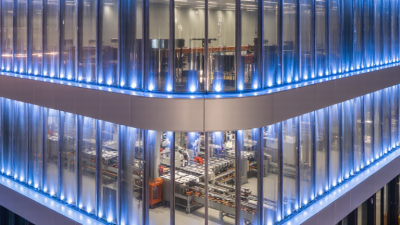
Why Choose LED Wall Strip Lights for Your Project?
A wall can look finished in daylight and still feel flat after sunset. Led Wall Strip Lights offer a practical way to add indirect illumination, define edges, or highlight shelves without relying on bulky fixtures. Their slim profiles can fit beneath cabinets, behind a headboard, or inside a recessed channel. The result depends on more than brightness. Color temperature, diffusion, mounting surface, and access to a power supply all shape the final effect.
The wider shift toward LED lighting is supported by industry data. The International Energy Agency’s Energy Efficiency 2023 report notes that LEDs accounted for about half of global lighting sales in 2022, up from roughly 5% in 2013. The U.S. Department of Energy also reports that residential LEDs use at least 75% less energy and can last up to 25 times longer than incandescent lighting. These figures describe LED technology broadly, not every strip or installation. Check product specifications.
That distinction matters. A low-cost strip may show visible dots, lose adhesion, or produce uneven color across a long run. A diffuser helps, but it cannot fix every design choice. Measure the route, confirm the required brightness, and consider how the light will look on the actual wall finish. There is no perfect setup for every room. Sometimes a small test section is the wiser first step.
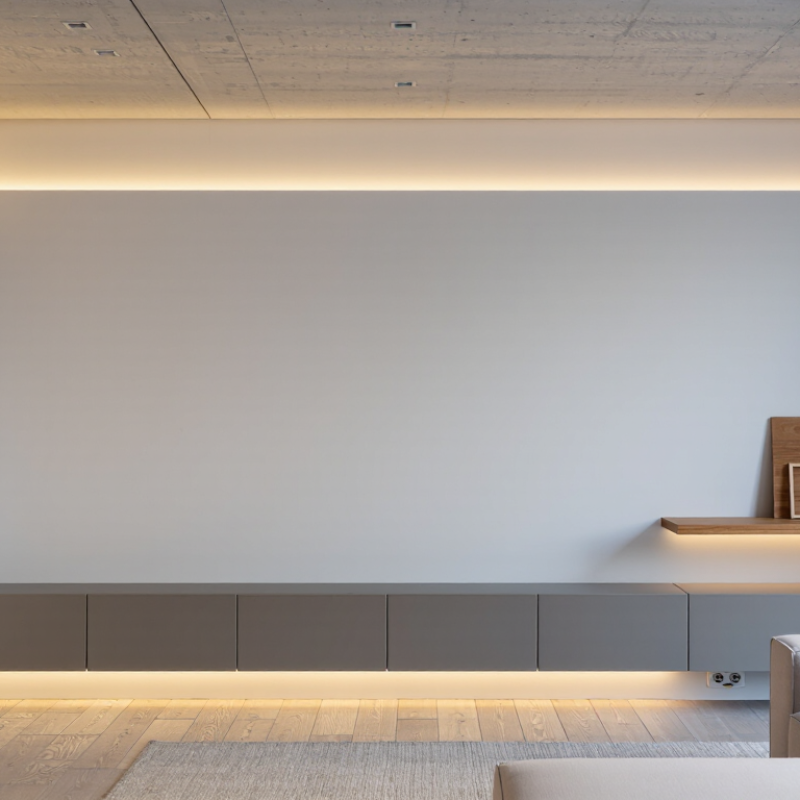
What Are LED Wall Strip Lights?
LED wall strip lights are narrow circuit boards carrying closely spaced light-emitting diodes. Many use a flexible substrate, adhesive backing, and cut marks for fitting around shelves, coves, or wall recesses. A compatible driver supplies the required voltage; the strip itself is not a complete lighting system. Some versions include a diffuser or protective coating, while others expose the LEDs directly.
They create a continuous line of light, though individual points may remain visible without a diffuser. Warm-white strips can soften a reading nook; cooler tones can make a work surface appear crisp. Dimming and color control depend on the strip, driver, and controller working together. Small details matter.
The U.S. Department of Energy’s 2017 Energy Savings Forecast of Solid-State Lighting in General Illumination Applications projected that broad LED adoption could save about 569 terawatt-hours of electricity annually by 2035. That forecast covers general lighting, not wall strips alone. It gives useful context, but actual savings depend on wattage, usage, and the lighting being replaced. Installation also has trade-offs: adhesive may loosen on dusty paint, and tight bends can damage a strip. Corners can disappoint. Measure the route, check the driver specifications, and test a short section before mounting the full run.
How Do LED Wall Strip Lights Work?
An LED wall strip turns electrical power into light through semiconductor diodes. A driver converts incoming current into a stable supply, while small resistors or control chips regulate current along the strip. The diodes sit on a flexible circuit board, often beneath a clear coating. When powered, they emit light directly. No filament is involved. The result is a thin fixture that can trace a shelf edge or wash a textured wall.
Brightness depends on diode output, spacing, and strip density; sparse LEDs may appear as separate dots on glossy paint. Color temperature is measured in kelvins, while a compatible driver and dimmer help control brightness without flicker. The U.S. Department of Energy reports that LEDs use at least 75% less energy and last up to 25 times longer than incandescent lighting. That comparison is useful, but it cannot promise the same savings in every installation. Wall color, channel depth, and ventilation affect the result. I still test a short sample at night; drawings can miss odd reflections.
Tips: Clean and dry the wall before applying the strip. Test the layout after dark, then check dimmer compatibility. Leave room for heat to escape; adhesive alone may fail on dusty paint.
What Benefits Do They Offer for Projects?
LED wall strip lights give projects a slim, flexible way to shape light along coves, shelves, stairs, and feature walls. They can highlight a textured surface without taking up much space. They fit. With a diffuser, the light line often looks smoother and less harsh, especially beside glossy paint or stone. Choose the color temperature to suit the room: warmer tones can soften a lounge, while cooler tones may help a work area feel clearer.
They can also use less electricity than many traditional lighting options, though actual savings depend on wattage and operating hours. Low heat output is useful near cabinetry and decorative materials, but the strip still needs suitable ventilation and installation. For longer runs, check voltage drop; brightness may vary toward the far end if the setup is not planned well. A small sample on the actual wall can reveal color shifts that a catalog image misses. This step is easy to skip. It shouldn’t be. Measure the route, identify approved cut points, and allow room for connectors and a suitable power supply. One imperfect detail can change the result: a visible dot pattern may appear when the strip sits too close to the wall. Test the spacing before fixing the full run.
Why Choose LED Wall Strip Lights for Your Project? — What Benefits Do They Offer?
| Project Consideration | Benefit of LED Wall Strip Lights | Useful Data or Planning Guidance | Project Application |
|---|---|---|---|
| Energy use | LEDs can deliver comparable light with less electricity than traditional incandescent lighting. | The U.S. Department of Energy estimates that residential LEDs use at least 75% less energy than incandescent lighting. Actual savings depend on the products being compared and hours of use. | Useful for accent lighting, coves, display walls, and other installations that operate for long periods. |
| Layout flexibility | Slim, linear strips fit along edges, recesses, shelves, and architectural details where conventional fixtures may not fit. | Strip width, bend direction, cut points, and minimum bend radius vary by product. Check the product instructions before designing the run. | Suitable for straight runs and carefully planned custom shapes around wall features. |
| Lighting appearance | A continuous strip can create an even wall wash or a defined line of accent light. | Choose color temperature, color rendering, LED spacing, and a diffuser to suit the finish and desired visual effect. Results depend on mounting distance and surface reflectance. | Use a diffuser and suitable spacing when a smoother, less visibly dotted line is required. |
| Control options | Compatible systems can support dimming, scene setting, and color adjustment. | The strip, power supply, dimmer, and controller must be compatible. Confirm whether the system is single-color, tunable white, or RGB/RGBW. | Plan controls and access to drivers before closing walls or installing millwork. |
| Installation planning | Low-voltage strip systems allow flexible positioning, with the power supply placed separately where the design permits. | Common strip system voltages include 12 V and 24 V DC. Select a correctly rated supply and account for total load, cable length, and voltage drop. | For long runs, follow manufacturer guidance on feed points and maximum run length to help maintain consistent brightness. |
| Heat management | A well-designed installation can provide efficient lighting in a compact profile. | LED strips still generate heat. Use the specified mounting surface or channel and observe the product’s thermal and ventilation requirements. | Aluminum channels can provide a mounting surface and help manage heat; verify suitability for the selected strip. |
| Indoor and outdoor use | Different strip and enclosure options make it possible to specify lighting for a range of environments. | Check the IP rating and installation instructions for exposure to dust or moisture. A rating alone does not replace correct sealing and installation. | Select products specifically rated for the conditions at the installation location. |
| Service life and maintenance | LED systems can reduce relamping frequency compared with many traditional light sources. | Rated life varies by product and operating conditions. Review the manufacturer’s life rating, test basis, warranty, and installation requirements. | Provide access to drivers, connectors, and controls so components can be inspected or serviced. |
Note: Performance depends on the selected strip, power supply, controls, installation method, and operating conditions. Confirm specifications with the product documentation before purchase.
Where Can LED Wall Strip Lights Be Used?
LED wall strip lights suit spaces where a clean line of light can improve visibility or define a surface. In kitchens, they can illuminate the wall behind open shelves or add soft light beneath cabinets. In hallways, a low-mounted strip can make edges easier to see at night. Keep the light source out of direct sight where possible. A diffuser helps reduce glare and creates a more even line.
They also work in living rooms, bedrooms, retail displays, and office feature walls. Behind a headboard, a warm-white strip can add gentle ambient light without taking up bedside space. In a shop, strips can highlight a textured panel or frame a display, though overly bright light may distract from the products. Check the wall material, available power, and moisture exposure before choosing a strip. Bathrooms and covered outdoor areas need fittings with suitable protection ratings. Measure the run carefully, and plan where the driver will sit; it needs airflow and should remain accessible. A small gap or uneven corner can show more than expected. Test the lighting after dark before fixing everything in place.
What Factors Should Guide Your Selection?
Choosing LED wall strip lights starts with the wall, not the product photo. Check the surface, mounting space, and viewing distance. A strip tucked behind a shallow shelf needs a different beam spread from one washing a textured brick wall. Measure twice. Then compare the strip’s lumen output per metre with the room’s existing light. More brightness is not always better; glare can flatten detail and tire the eyes.
Color temperature and color rendering affect how a space feels and how objects appear. Warm white can soften a bedroom, while a neutral tone may suit a work area. Check the CRI rating if accurate colors matter, such as near artwork or clothing. A small sample installed in the actual room can reveal surprises that product specifications cannot. I have found this step easy to skip—and costly to regret.
Check the strip’s voltage, maximum run length, dimming compatibility, and power supply requirements before installation. Long runs may show uneven brightness if voltage drop is not accounted for. Match the protection rating to the location: a dry indoor wall has different needs from a damp area. Details matter. Also consider how the strip will be accessed for maintenance. Adhesive can fail on dusty or uneven surfaces, so test the mounting method first.
Related Posts
-
China Top LED Wall Strip Lights Manufacturers
-
Top Exterior LED Strip Lights for Outdoor Lighting?
-
How to Choose Small LED Strip Lights for Your Needs?
-
Choosing the Right Manufacturer for Best Wide Led Strip Lights to Elevate Your Projects
-
Unmatched Trust Globally Forged from Top Chinese Factory's Best Cool White Led Strip Lights
-
2025 Trends in Lighting: Innovative Solutions for Cool White LED Strip Lights