China Top 10 Exterior LED Strip Light Manufacturers
Choosing an Exterior Led Strip Light manufacturer in China takes more than comparing catalog photos. A strip that looks bright on a showroom wall may perform differently beneath a roof eave, beside a pool, or along a coastal deck. Moisture, heat, ultraviolet exposure, installation details, and power supply compatibility all affect real-world results. Small details matter.
This guide introduces ten Chinese manufacturers serving the exterior LED strip light market. It is designed to help buyers compare product ranges, customization options, production capabilities, and communication practices. Where available, company information and product specifications should be checked against current catalogs, sample testing, and direct discussions with suppliers. A polished website is useful, but it cannot replace a close look at connectors, sealing, adhesive, and light consistency.
The right supplier depends on the project. A hotel façade may need long, uniform runs and dependable dimming, while a garden installation may prioritize flexible cutting points and simple control. Ask manufacturers how they define water resistance, how they test finished products, and what support they offer after delivery. Requesting samples can reveal color variation or installation issues that a specification sheet misses. It takes time.
No manufacturer is ideal for every application, and rankings can only provide a starting point. This overview aims to make the shortlist clearer, not to promise a perfect result. Buyers should confirm technical claims, lead times, certifications, and warranty terms directly before placing an order. A careful comparison can prevent costly surprises later.
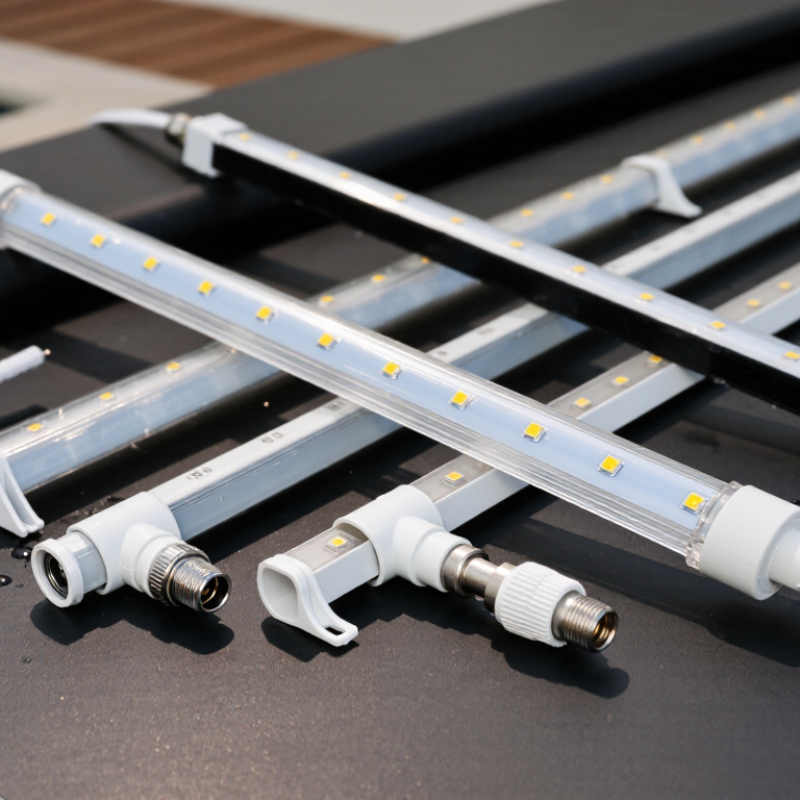
What Exterior LED Strip Lights Are and Where They Are Used
Exterior LED strip lights are flexible circuit boards fitted with small LEDs and protective coatings or housings for outdoor use. Unlike indoor strips, they must handle moisture, dust, sunlight, and temperature changes. Their light can outline shapes or spread across surfaces, depending on placement and brightness. They are not magic weatherproof ribbons.
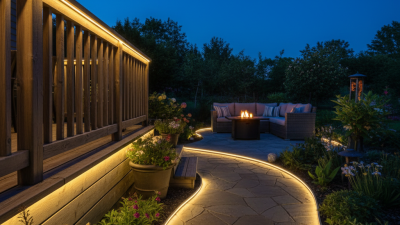
Common uses include highlighting balcony edges, garden paths, stair risers, pergolas, and building facades. A warm glow beneath a handrail can guide steps without flooding the yard. Along a facade, strips can reveal texture, but poorly aimed light may cause glare or disturb nearby rooms. Installation details matter: check the product’s weather-resistance rating, use a compatible power supply, and seal cable connections as directed. A suitable mounting channel can also help protect the strip and keep its line straight.
Tips: Measure the route before buying, and allow extra length for corners. Keep connectors away from standing water, and avoid sharp bends. A tidy sketch helps, though it may still miss an awkward corner—test a short section before fixing the full run.
How to Evaluate Chinese Exterior LED Strip Light Manufacturers
China Top 10 Exterior LED Strip Light Manufacturers
How to Evaluate Chinese Exterior LED Strip Light Manufacturers
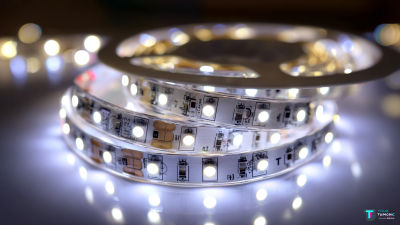
Evaluate the product, not just the factory’s catalogue. Ask for test reports tied to the exact strip, coating, connectors, and power supply you plan to buy. An IP rating on the LED strip alone may not cover cut ends or joints. Check how the manufacturer protects those vulnerable points. Ask about ultraviolet exposure, temperature cycling, and salt-spray testing when the installation will face strong sun, large temperature changes, or coastal air. Request sample reels from the same production process, then inspect brightness consistency, adhesive bonding, and connector fit. Small details matter outdoors.
Technical claims need context. The U.S. Department of Energy reports that residential LED lighting uses at least 75% less energy and can last up to 25 times longer than incandescent lighting. These figures describe LEDs broadly, not every exterior strip. Compare measured power, light output, and lifetime assumptions for the specific model. Ask whether lifetime estimates are based on component data or product-level testing. That distinction is easy to miss.
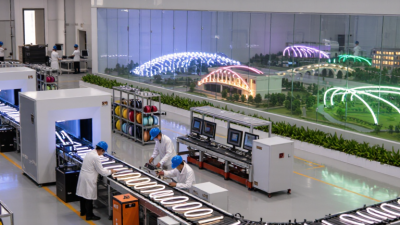
Check traceability and after-sales support, too. A reliable supplier should identify production batches and explain how defects are handled. Request a written warranty and a clear replacement process. Then verify that the quoted product matches the sample. I would not treat a tidy factory tour as proof of long-term weather resistance. It helps, but it is not enough.
Profiles of 10 Leading Exterior LED Strip Light Manufacturers in China
China’s exterior LED strip light manufacturers vary in their strengths. One focuses on silicone-sleeved strips for exposed façades. Another offers dense LEDs for smooth, continuous lines beneath roof edges. A third builds flexible products for curved signage, while a fourth emphasizes stable color across long runs. Their samples should be checked in daylight and after hours.
A fifth manufacturer supplies high-output strips for landscape features. A sixth specializes in low-voltage options for steps and garden borders. A seventh provides cuttable segments for custom layouts; an eighth supports project orders with varied lengths and color temperatures. A ninth prioritizes sealed connections for damp locations. The tenth offers aluminum-channel systems that help protect strips and manage heat. These profiles describe different capabilities, not a quality ranking. Even polished samples can hide installation issues.
Tips: Ask for test data, not just an IP rating. Check UV resistance, connector sealing, and voltage drop across the planned run. Request a cut sample and inspect its coating after bending. One detail is easy to miss: a well-sealed strip can still fail if water enters through an unfinished end cap.
Key Products and Technologies Offered by the Top 10 Manufacturers
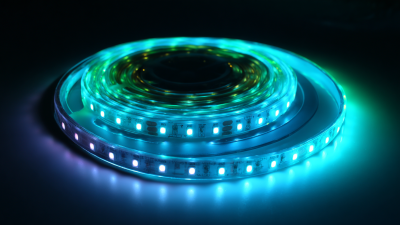
Leading exterior LED strip manufacturers offer flexible products for façades, garden paths, signs, and architectural accents. Common options include single-color, tunable-white, RGB, and RGBW strips. Silicone or polyurethane coatings help resist moisture and sunlight, while sealed connectors reduce water entry at joints. Check the stated IP rating, but remember that installation quality affects real-world protection. A high rating alone is not enough.
Key technologies include 12- or 24-volt systems, addressable pixels, dimming controls, and constant-current designs that help maintain consistent brightness. Some suppliers provide aluminum channels to manage heat and create a cleaner finish. Look for clear details on power consumption, cutting intervals, operating temperature, and compatible controllers. These specifications matter.
One trade-off is flexibility: tight bends or long runs can cause uneven light or voltage drop. Product data should be checked against the actual layout, not just a sample display.
Tips: Test a short section outdoors before ordering a full run. Inspect connectors after installation, and leave access for repairs. Small planning gaps can become expensive later.
How to Compare Manufacturers for an Outdoor Lighting Project
China Top 10 Exterior LED Strip Light Manufacturers
How to Compare Manufacturers for an Outdoor Lighting Project
A useful comparison starts with the installation conditions, not a catalog’s brightest product photo. Note the strip’s location, exposure to rain, hours of direct sun, and expected run length. Then ask each manufacturer for the same details: ingress protection rating, operating temperature range, UV-resistance test data, and recommended power supply. These figures help you compare products on equal terms. Check how the strip sheds heat, too. A sealed channel in full afternoon sun can run hotter than a sheltered test setup.
Tips: Request a sample and inspect the solder joints, coating, and connector fit. Ask for a continuous operating test report, not just a short demonstration video. Confirm whether the stated warranty covers outdoor use and what evidence is needed for a claim.
Compare communication and production controls alongside specifications. Can the supplier explain voltage drop over a long run and recommend feed points? Do they identify batch numbers and provide consistent test records? Ask how custom lengths and packaging are checked before shipment. A quick answer is useful, but a clear answer with supporting documents is better. Even careful checks can miss issues that appear after months of weather exposure, so a small field trial is sensible. It takes time. That part is easy to underestimate.