What Are the Best Wall Lights in 2026?
The best Wall Lights in 2026 are not necessarily the most expensive or fashionable. They are the fixtures that suit a room, provide useful light, and feel comfortable to live with. A reading nook may need a focused, adjustable beam; a hallway often benefits from softer, even illumination. Scale matters, too. A broad fixture can overwhelm a narrow wall, while a tiny sconce may disappear beside a large mirror.
Small details matter. Compare brightness, color temperature, dimming compatibility, and the direction of the beam before choosing a design. Warm light can create a relaxed evening mood, while brighter, more neutral light may help with practical tasks. Check the product’s specifications rather than relying on photographs alone. Finish, shade material, and bulb access affect everyday use, not just appearance. A beautiful fixture can still be frustrating if changing its bulb requires awkward reaching.
This guide explores wall lights for bedrooms, living rooms, bathrooms, and circulation spaces, including plug-in and hardwired options. No single winner. The right choice depends on the room’s layout, existing wiring, and how the light will be used. In damp areas, confirm the fixture’s rating and follow the manufacturer’s installation guidance. For fixed wiring, use a qualified professional where appropriate. We’ll weigh design, function, installation, and value, while noting where product claims deserve a closer look. Some choices remain subjective; a finish that looks refined online may feel too shiny at home. The aim is a clear, practical shortlist—not a universal answer.
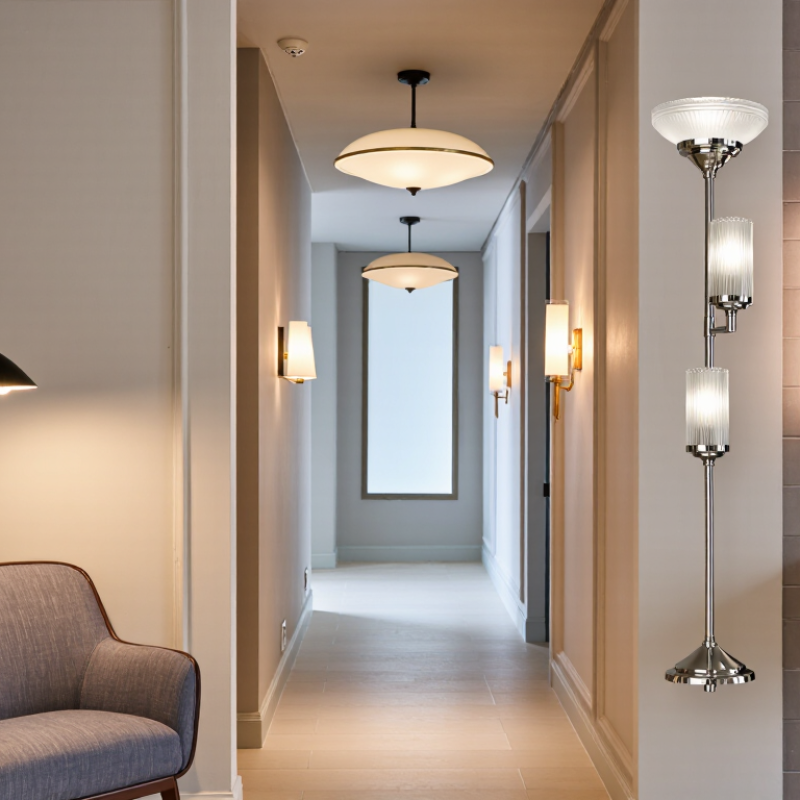
What Wall Lights Are and How They Illuminate a Room
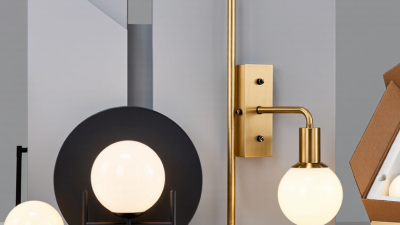
Wall lights are fixtures mounted on a wall to provide light without taking up floor or table space. Some direct light down onto a reading chair or bedside book. Others send light upward, where it spreads across the ceiling and softens shadows. Many designs combine both. Their effect depends on the shade, bulb, mounting height, and nearby surfaces—not just the fixture’s appearance.
Think about what the room needs after dark. A pair of adjustable sconces beside a bed can make reading easier, while a shaded light near a hallway can guide movement without a harsh ceiling glare. In a narrow room, upward-facing light may make the ceiling feel less closed in. Pale walls reflect more light; dark or textured surfaces absorb more, so the same fixture can look surprisingly dim. That matters. For comfortable reading, check the bulb’s brightness and whether the beam reaches the page without shining into your eyes. A warm white tone often feels restful, though personal preference varies. Dimmers help, but they cannot fix poor placement. Measure before installation, and consider where wiring or switches are available. A wall light is not automatically better than a lamp; it simply changes where light comes from. Sometimes the best choice is less dramatic than expected.
Which Types of Wall Lights Suit Different Spaces?
Wall lights suit spaces where a floor lamp would crowd the room or a ceiling fixture leaves dark patches.
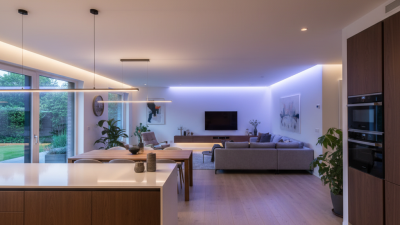
In living rooms, adjustable swing-arm lights beside a reading chair can direct light onto a book without brightening the whole space. For hallways, slim, enclosed fixtures provide a gentle guide and are less likely to catch passing coats or bags. Keep the light at a comfortable eye level.
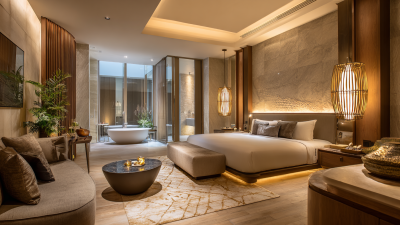
Bedrooms benefit from shaded sconces placed beside the bed, with switches easy to reach while lying down. A warm, diffused glow feels calmer than a bare bulb. In bathrooms, choose fixtures specifically rated for the intended damp or wet location, and position them to reduce shadows on the face. Check the fixture rating and local installation guidance; appearance alone cannot tell you whether a light is suitable. Not every wall can support every fitting.
Tips: Before buying, mark the proposed fixture height with painter’s tape and test it from a seated position. Check where shadows fall, and whether the light shines into your eyes. A dimmer can add flexibility, but some lamps and dimmers are incompatible. I’d measure twice; judging by a showroom display can be misleading.
How to Compare Brightness, Efficiency, Safety, and Controls
What Are the Best Wall Lights in 2026?
How to Compare Brightness, Efficiency, Safety, and Controls
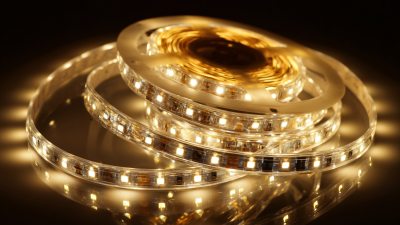
The best wall light depends on the task, not just its appearance. For reading beside a bed, compare delivered lumens and beam direction; a narrow beam can leave the page bright but the room gloomy. For a hallway, softer, wider light may feel more comfortable. Check the color temperature and color-rendering index, too. A warm 2700K glow often suits relaxing spaces, while a higher CRI helps colors look more natural. In its LED Basics guidance, the U.S. Department of Energy reports that LEDs use at least 75% less energy and can last up to 25 times longer than incandescent lighting. Real savings still depend on usage and the fixture.
Tips: Check whether the light supports your existing dimmer. Confirm its listed safety rating and whether its installation location matches any stated damp- or wet-area rating. Small details matter.
Compare controls as carefully as brightness. A wall switch is simple; dimming or motion sensing can improve comfort and reduce wasted light, but only when compatible components are used. Look for clear installation instructions, secure mounting, and a finish that is easy to clean. A glass shade beside a narrow doorway may look elegant, yet it can be awkward to wipe. I would also test the light at night before settling on its position. Product specifications help, but they cannot show exactly how a beam will fall across your own wall.
What Features Make a Wall Light Stand Out in 2026?
In 2026, a wall light stands out when it solves a real lighting problem, not just when it looks sculptural. Look for adjustable brightness, comfortable light output, and a shade that directs light without shining into your eyes. For reading, a movable arm and a focused beam help keep pages clear. In a hallway, a diffused shade can soften shadows on nearby walls. Check the color-rendering rating too; a higher rating helps paint, wood, and skin tones look more natural. I still think a beautiful fixture can disappoint if its light feels harsh at night.
Tips: Check whether the light is dimmable with your existing switch. Compare its dimensions with the space beside a bed or mirror. For hardwired fixtures, use a qualified electrician and follow the installation instructions.
Useful features should stay easy to use. A physical switch or simple control can be more dependable than an app for everyday lighting. Warm color settings suit bedrooms, while neutral light may work better near a mirror or desk. Also consider glare, replaceable components, and whether the fixture can be cleaned without awkward tools. Smart controls can be convenient, but they are not essential. The best choice depends on the room, and I would not ignore a slightly imperfect finish if the light itself works well.
What Are the Best Wall Lights in 2026?
Efficient light output is one feature that makes a wall light stand out. Compare approximate power use for incandescent and LED bulbs at similar brightness levels.
LED wattages are approximate and vary by product. When choosing a wall light, check its lumen output for brightness and its wattage for energy use. Brightness equivalencies are based on general U.S. Department of Energy guidance.
How to Choose the Right Wall Light for Your Needs
What Are the Best Wall Lights in 2026?
Choosing the right wall light starts with what you need it to do. For reading beside a bed, look for an adjustable head and a switch you can reach without sitting up. A light near a hallway mirror should spread illumination evenly, rather than create a bright spot on one cheek. Small details matter.
Check the room’s size, wall space, and existing wiring before choosing a fixture. In a narrow corridor, a shallow design is less likely to catch a shoulder or bag. For a bathroom, check the fixture’s location rating and follow local installation requirements; a light exposed to splashes needs suitable protection. Measure from the floor and nearby furniture, then mark the proposed position with painter’s tape. It may look too high at first. Live with the mark for a day.
Brightness and color affect comfort as much as appearance. Warm light around 2700–3000K often feels restful in bedrooms, while a more neutral tone can help with grooming or detailed tasks. Use a dimmer when the light serves more than one purpose, but confirm that the fixture supports dimming. Also consider glare: exposed bulbs can feel harsh when viewed from a sofa or bed. A shade may soften the light, though it can reduce brightness. That trade-off is easy to miss in a showroom.