Top 10 LED Poster Display Trends in China You Should Know?
The landscape of LED Poster Display in China is evolving rapidly. Industry expert Dr. Jane Li states, "Innovation in LED technology shapes consumer experiences." Her insight highlights the necessity of staying updated with the latest trends.
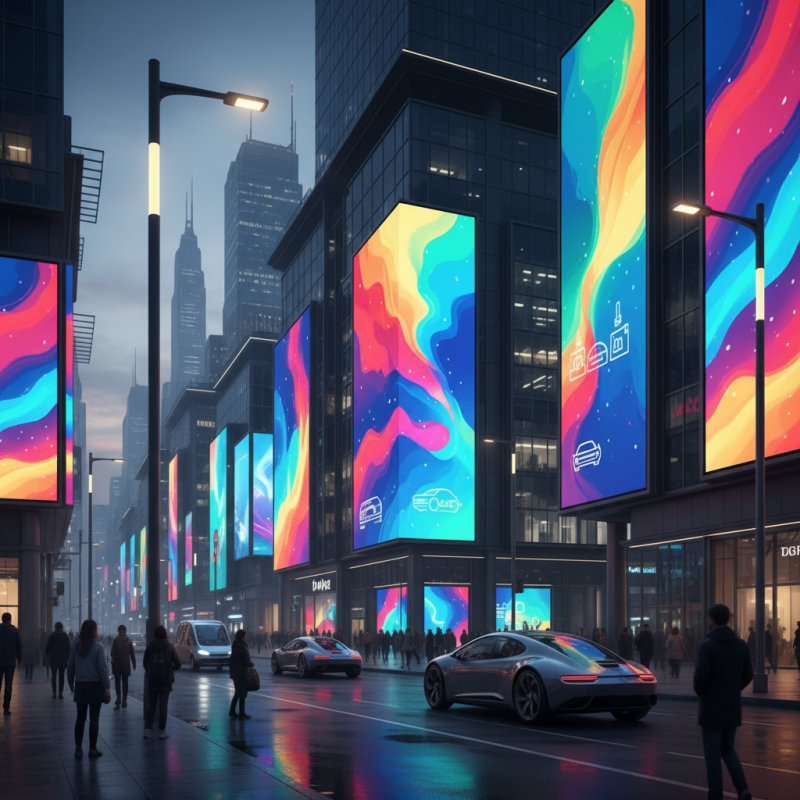
LED Poster Displays are gaining traction across various sectors. Retailers use them for eye-catching advertisements. Events leverage LED posters for dynamic information sharing. However, many businesses still hesitate to adopt this technology. They often underestimate its impact on audience engagement.
As we delve into the top 10 trends, it’s crucial to recognize both advancements and challenges. Some displays are too bright or intrusive. Balancing visibility and aesthetics remains a challenge. We must reflect on users' needs. Ensuring effective communication through LED Poster Displays is essential in this competitive market.
Emergence of Interactive LED Poster Displays in Retail Settings
The rise of interactive LED poster displays marks a significant shift in retail. These innovative screens invite customers to engage with advertisements in new ways. Imagine walking into a store and seeing a vibrant display reacting to your movements. It’s immersive and captivating. Retailers are embracing this technology to create a memorable shopping experience.
Interactive LED displays often feature touch capabilities and augmented reality. Shoppers can touch screens to learn more about products. Some displays even offer personalized recommendations based on customer interactions. However, not all stores have adapted to this trend effectively. Many consumers may still be unsure about how to interact with these new technologies. There can be a disconnect between the display design and customer understanding, causing frustration.
Moreover, there’s the challenge of maintaining these systems. Technical issues can arise, and not all locations have the resources for proper upkeep. This can lead to displays that either malfunction or fail to engage shoppers. As the trend grows, it's essential for retailers to invest in user-friendly designs and maintenance strategies. Balancing technology with user experience is crucial for the success of interactive displays in retail settings.
Top 10 LED Poster Display Trends in China
Integration of Augmented Reality with LED Poster Technology
Augmented Reality (AR) is reshaping how we perceive LED posters in China. Imagine walking by a street display that comes to life with interactive elements. Users can point their smartphones at these posters, revealing additional layers of information or animations. This technology transforms static images into engaging experiences. The boundary between digital and physical worlds blurs more every day.
However, not all AR applications in LED poster displays are seamless. Some experiences can feel gimmicky or poorly executed. Users may feel confused or disappointed when the technology doesn't meet their expectations. The design of AR must consider user interaction; otherwise, it risks losing engagement. Successful implementation requires thoughtful integration and clear user guidance.
Moreover, the rapid pace of AR development can create challenges for designers. It’s essential to strike a balance between innovation and usability. Users expect smooth and intuitive interactions. When AR enhances the message of the LED poster, it creates a memorable impact. Otherwise, it can detract from the overall viewing experience. Striving for that perfect balance will be key in embracing this exciting trend.
Sustainable Practices in LED Poster Manufacturing and Usage
LED poster displays are gaining popularity in China, reflecting a shift towards more sustainable practices. The manufacturing process is critical. Many companies are now adopting eco-friendly materials. A recent report indicated that around 30% of manufacturers have begun using recyclable components in their LED displays. This trend helps reduce waste significantly.
Moreover, energy efficiency is a primary focus. LED technology consumes 75% less energy than traditional displays. This shift is crucial as the demand for advertising rises. However, challenges remain. Some manufacturers still rely on non-renewable resources, impacting overall sustainability efforts. Transparency in sourcing materials is lacking.
Finally, usage patterns are also changing. Businesses are starting to recognize the importance of reducing their carbon footprint. Innovative recycling programs are emerging. A survey revealed that 40% of users are willing to return old displays for proper recycling. Yet, many still discard their units improperly. The journey towards complete sustainability is ongoing, but progress is evident.
Impact of High-Resolution Displays on Advertising Effectiveness
The rise of high-resolution LED displays has significantly transformed advertising effectiveness in recent years. A study by MarketsandMarkets indicated that the global LED display market is projected to reach $70 billion by 2026. This growth is driven by increasing demand for high-quality, impactful visuals. Brands are now prioritizing sharp images and vibrant colors to attract consumers' attention. Higher resolutions, like 4K and 8K, have become standard. Advertisements with stunning visuals can boost viewer engagement by up to 80%.
However, not all businesses capitalize fully on these advancements. Some still use outdated display technology, which can lead to a loss of consumer interest. Additionally, researchers found that ads using high-resolution visuals are shared 40% more on social media platforms. This indicates that visuals significantly impact consumer behavior. Yet, many brands do not measure the effectiveness of their high-res display campaigns. Implementing tracking methods can provide key insights into audience interaction.
Investments in technology should align with creative strategies. High-resolution displays require innovative content to maximize their potential. Many marketers struggle with integrating cutting-edge technology and fresh ideas. Even with top-tier equipment, the message conveyed is equally important. Therefore, brands must engage in continuous improvement, refining both display technology and creative narratives.
Trends in Software Solutions for Managing LED Poster Content
In recent years, software solutions for managing LED poster content in China have evolved significantly. A study by Statista indicates that the market for digital signage is projected to reach $31.71 billion by 2025. This growth highlights the demand for efficient content management tools. Businesses are seeking user-friendly platforms that simplify the scheduling and updating process for displays.
Intelligent content management systems are at the forefront of this trend. They allow users to control multiple screens from a single interface. This capability enhances operational efficiency. However, some users face difficulties in adapting to newer software. Not all solutions meet the varying needs of different businesses. Interestingly, over 40% of companies reported challenges in integrating traditional media with digital displays. This gap demands attention from developers to enhance user experience.
Furthermore, analytics features are increasingly important. Data from market research shows that 70% of businesses prioritize metrics to measure engagement. Automation in content updates can save time, yet it may also lead to content stagnation. Regular updates are crucial to keep the audience engaged. Striking a balance between automation and creative content refreshment will be essential for success in the rapidly evolving landscape of LED displays.