
Top Grain Semi Trailers for Sale Worldwide
Worldwide buyers compare Grain Semi Trailers for more than price. A dependable unit must match the crop, loading equipment, road conditions, and delivery plans. Small details matter. Hopper shape, discharge gates, axle rating, tarp systems, and corrosion protection all affect daily work. The right Grain Semi Trailer can reduce handling delays and help protect grain during transport, but no single design suits every operation.
This guide covers common configurations, practical specifications, and points to verify when reviewing trailers for sale worldwide. Compare payload figures with your operating needs, confirm dimensions and materials in writing, and ask how parts and service are supported after delivery. Photos help, but they cannot replace a clear specification sheet or an inspection where available. Check tires, brakes, suspension, lighting, and gate operation. These details are easy to overlook. A low purchase price may not include freight, preparation, or future maintenance, and advertised capacity can vary by configuration. Details differ by manufacturer and market. Treat broad claims with care. Remote purchases can leave gaps; even a careful checklist may not reveal every wear issue or fit problem. Requesting references and documented test results can support a more informed decision. The goal is not to name one universal winner, but to help readers compare equipment against real operating needs and available support.
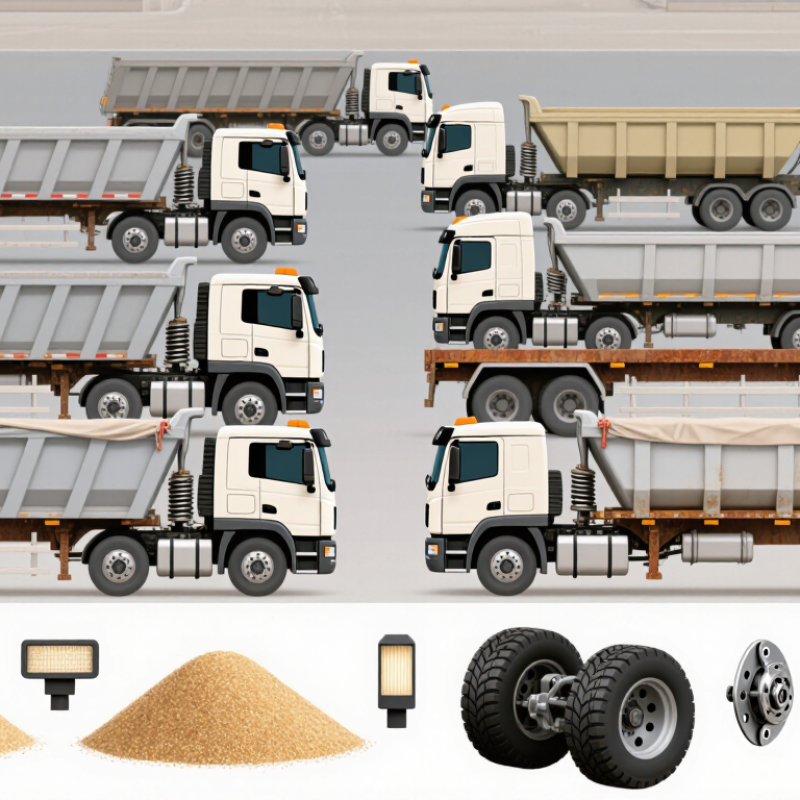
What Top Grain Semi Trailers Are and How They Are Used
Top grain semi trailers are road-going trailers built to carry loose crops such as wheat, corn, or barley. They typically have a deep cargo body and top openings for loading from silos, combines, or loading conveyors. Depending on the design, grain leaves through bottom hopper gates or when the trailer body tips. Fitted covers help keep out rain and reduce wind loss during transport. Small details matter. Seams and gates need to close properly; dust finds gaps.
These trailers move harvested grain from farms to storage facilities, mills, ports, and processing sites. Operators usually position the trailer beneath a loading point and distribute the load evenly to support stable handling. At the destination, the unloading method depends on the site: hopper discharge suits compatible receiving pits, while tipping needs suitable ground and overhead clearance. Payload, body volume, axle layout, and cleaning access all affect the choice. A large trailer is not automatically the most efficient option.
It is easy to focus on capacity and overlook turnaround time. A gate that is awkward to reach, or a body that is difficult to clean, can slow repeated trips. Buyers should check the trailer’s construction, seals, braking system, and compatibility with their tractor and loading equipment. The right configuration depends on crop type, route conditions, and how grain is received at each site.
Main Types and Structural Features of Grain Semi Trailers
Top Grain Semi Trailers for Sale Worldwide
Grain semi-trailers differ mainly in how they carry and unload bulk crops. Hopper-bottom models use sloped steel or aluminum floors that guide grain toward one or more discharge gates. Their raised sidewalls provide capacity, while cross-members support the floor under a heavy, shifting load. Gate seals matter: a small gap can let fine grain escape during transit. Access matters.
End-dump trailers raise the body hydraulically and release grain through the rear. They can unload quickly, but need firm, level ground and enough overhead clearance. Side-dump designs tip toward one side, which can suit controlled unloading beside storage areas. Walking-floor trailers use moving slats to push cargo out without tipping; this can help where height or ground conditions limit dumping.
Structural choices affect daily work. Aluminum bodies reduce tare weight, while steel can offer a tougher surface for abrasive handling. Neither material removes the need to inspect welds, hinges, gate seals, and hydraulic connections. A larger hopper may look efficient on paper, yet axle loading and route conditions still shape practical capacity. Details vary by configuration, and that is easy to overlook. A careful buyer should compare discharge layout, access for cleaning, and floor support—not capacity alone.
Key Capacity, Material, and Safety Specifications
Top Grain Semi Trailers for Sale Worldwide
Key Capacity, Material, and Safety Specifications
When comparing grain semi trailers, check both cubic capacity and rated payload. A large body can hold more grain by volume, but dense loads may reach the permitted weight sooner. Confirm the axle layout, suspension rating, and tractor compatibility before choosing. Grain shifts during travel. Even loading matters.
Aluminum bodies are lighter and can increase usable payload, while steel often offers greater resistance to impact and abrasion. Ask about floor thickness, cross-member spacing, weld quality, and corrosion protection. Look closely at seams and discharge gates; trapped grain can retain moisture and cause wear. Check the details.
Safety equipment deserves the same attention as capacity. Useful features include reliable brakes, correctly rated tires, reflective markings, secure tarp systems, and stable access steps with handholds. A walk-around inspection can reveal loose hinges, damaged wiring, or uneven tire wear. Small clues count. Specifications vary by configuration and operating conditions, so verify figures with the trailer documentation and a qualified dealer. A clean specification sheet helps, but it cannot show how a trailer handles a rough yard or repeated loading. That part deserves a real inspection.
How to Choose a Grain Semi Trailer for Your Operation
Top Grain Semi Trailers for Sale Worldwide
Choosing a grain semi trailer starts with the work it will do, not just its advertised capacity. Estimate typical load volume, grain type, and distance between fields, storage sites, and delivery points. Know your route. Narrow farm lanes, soft ground, and tight loading areas can matter as much as highway mileage. Check that the trailer’s tare weight and axle setup suit your tractor and expected loads. Confirm details with the equipment supplier rather than relying on a listing alone.
Think through unloading before comparing trailer prices. A rear discharge may suit some receiving setups, while other operations need different access or discharge arrangements. Inspect the hopper angles, gates, seals, and tarp system; small leaks can leave grain exposed to rain or road spray. Ask how the floor and wear points can be inspected and repaired. A useful reality check: advertised volume does not tell you how easily a trailer fits your daily workflow. It is easy to focus on capacity and miss turning space or cleanout time. Request measurements, maintenance records, and a clear specification sheet, then compare them against your actual routes and loading equipment.
| Configuration | Typical Body Capacity | Common Layout | Unloading Method | Best Suited For | Key Selection Check |
|---|---|---|---|---|---|
| Hopper-bottom grain trailer | Approximately 40–60 m³ | Usually 2 or 3 axles; one or more bottom discharge outlets | Gravity discharge through hopper gates, often into a pit or receiving system | Frequent delivery to grain elevators, storage bins, and facilities with suitable receiving pits | Confirm outlet spacing, gate design, ground clearance, and compatibility with the receiving pit. |
| High-volume hopper trailer | Approximately 55–70 m³ | Large-volume body; axle count and dimensions depend on market requirements | Gravity discharge through multiple hopper outlets | Low-density crops and operations where cubic capacity is more limiting than payload weight | Check route height and length limits, stability, and whether the intended grain can fill the body before reaching the legal weight limit. |
| End-dump grain trailer | Approximately 35–55 m³ | Rear-discharge body with a hydraulic lifting system | Body tips upward to discharge at the rear | Sites that need a versatile trailer for grain and other compatible bulk materials | Ensure the unloading surface is firm and level, with adequate overhead clearance and room for the raised body. |
| Walking-floor bulk trailer | Approximately 45–65 m³ | Enclosed body with a moving floor and rear discharge | Hydraulic floor slats move cargo out without tipping the trailer | Operations needing controlled unloading or access to sites where tipping is impractical | Review floor-system maintenance needs, hydraulic compatibility, and discharge time for the planned crop and load. |
| Lightweight aluminum hopper trailer | Commonly around 40–60 m³ | Hopper configuration with an aluminum body and market-specific axle setup | Gravity discharge | Long-haul work where reducing tare weight may help preserve payload capacity within legal limits | Compare tare weight with body durability, repair options, corrosion exposure, and the actual legal payload allowance. |
| Steel hopper trailer | Commonly around 40–60 m³ | Hopper configuration with a steel body and reinforced wear areas | Gravity discharge | Frequent use in demanding conditions or operations that prioritize robustness and repairability | Check tare weight, protective coatings, wear-plate specifications, and the availability of local repair services. |
| Before choosing: Verify the permitted gross combination weight, axle limits, overall dimensions, coupling compatibility, and road requirements in the operating jurisdiction. Actual payload depends on trailer tare weight, tractor weight, crop density, and applicable laws—not body volume alone. | |||||
Worldwide Availability, Pricing, and Purchase Considerations
Top Grain Semi Trailers for Sale Worldwide
Worldwide availability depends on build specifications, not just advertised stock. Grain trailers may differ in body volume, axle layout, tare weight, and unloading system. Ask sellers for dated inventory photos, payload documentation, and written confirmation of delivery time. A low quoted price can change after freight, import handling, and preparation costs are added.
Regional grain flows help explain demand, but they do not guarantee local trailer availability. FAO’s June 2024 Food Outlook estimated global cereal production at about 2.854 billion tonnes. UNCTAD reported maritime trade grew 2.4% in 2023 and projected 2% growth in 2024. These figures describe broader supply conditions, not trailer prices. Still, shipping delays can affect delivery windows. Build in time.
There is no dependable worldwide price benchmark for every configuration. Compare itemized offers in the same currency, including trailer specification, freight, insurance, taxes, and payment terms. Check welds, floor condition, tarp operation, brakes, and tire wear in person or through an independent inspection. Used units can look tidy in photos. I would also verify parts access near the intended operating route; that detail is easy to overlook, and costly to discover later.
