Top 10 Types of Wall Lights for Every Room?

Wall lights can change a room without taking up floor or table space. A shaded sconce beside a bed gives a softer reading pool; an adjustable arm near a desk puts light where it is needed. In a hallway, a pair of upward-facing fixtures can make a narrow wall feel taller. Small choices matter.

Lighting designer John Cullen is known for thoughtful, layered residential lighting. Rather than inventing a verbatim quotation, this introduction expresses a practical principle associated with that approach: “A wall light should serve the room before it decorates it.” That idea helps explain why the best fixture depends on more than style. Mounting height, beam direction, glare, bulb color, and nearby furniture all affect how a light feels in daily use.

The guide, “Top 10 Types of Wall Lights for Every Room,” explores options for bedrooms, living rooms, bathrooms, hallways, and work areas. It considers swing-arm sconces, picture lights, uplights, downlights, and other useful designs. Some fixtures look beautiful in a showroom but cast harsh shadows at home. That can be disappointing. Room dimensions and existing wiring also shape what works, so no single type suits every space. The aim is practical: help readers compare real choices and create comfortable, well-considered lighting.
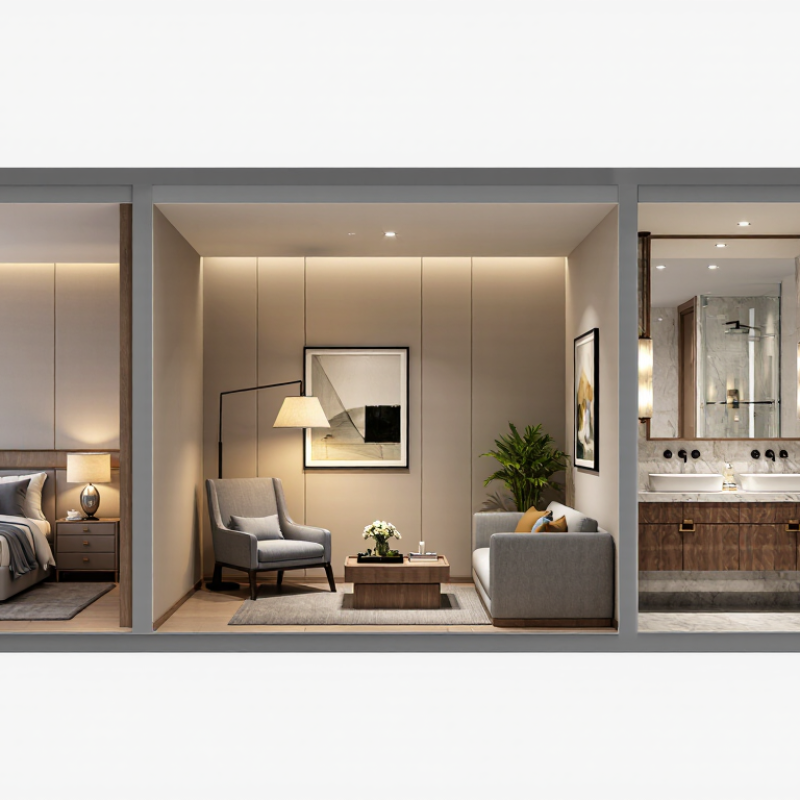
Top 10 Types of Wall Lights for Every Room?

Wall Lights: Definition, Components, and Core Lighting Functions

A wall light is a fixed fixture that brings illumination from the wall rather than the ceiling or floor. It can spread soft ambient light, highlight artwork, or brighten a reading spot beside a bed. The same fixture may serve different rooms, but its shade and beam direction change how it feels. A narrow beam can create a crisp pool of light. A frosted diffuser gives a gentler glow.

Most wall lights include a backplate, a body or arm, and a shade or diffuser. Inside, a socket or integrated LED module produces light, while wiring connects the fixture to a switch or dimmer. Some designs direct light upward and downward; others use an adjustable arm for focused reading. Small details matter. A deep shade can reduce glare, though it may also leave nearby corners dim.

Choose output and placement for the task, not just the fixture’s appearance. A hallway usually needs even, comfortable light, while a bedside sconce should reach the page without shining into someone’s eyes. In bathrooms, check that the fixture is rated for its intended location and moisture exposure. Dimmer compatibility also varies. That part is easy to overlook. Mounting height depends on the room, furniture, and beam angle, so a mock-up with tape can reveal awkward shadows before installation. Electrical work should be handled safely by a qualified professional.

Ten Common Types of Wall Lights and How They Differ

Ten Common Types of Wall Lights and How They Differ

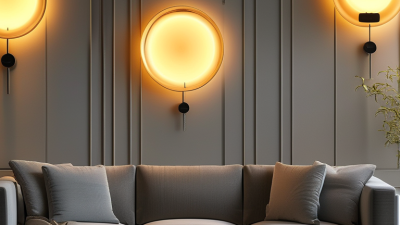
Wall lights differ in direction, mounting, and purpose. Traditional sconces spread light outward, while uplights wash ceilings and downlights brighten floors or reading areas. Swing-arm fixtures extend beside a bed or chair; plug-in versions avoid hardwiring but leave a visible cord. Picture lights aim at artwork, while vanity lights spread light across faces near a mirror. Flush-mounted fixtures sit close to the wall, making them useful in narrow hallways. Lantern styles add a decorative, often enclosed shade; candle-style lights imitate the shape of old candle holders. These categories can overlap, and product labels are not always consistent.

Energy use also matters. The U.S. Department of Energy reports that residential LEDs use at least 75% less energy and last up to 25 times longer than incandescent lighting. Those figures describe LED technology, not every wall fixture, so check the bulb and fixture specifications. A dimmer can help adjust brightness, but only when the bulb and control are compatible. A beautiful fixture can still cast awkward shadows.

Tips: At a bathroom mirror, choose even light on both sides rather than relying on one overhead source. For a bedside swing-arm light, check that the arm reaches your book without shining into your eyes. Measure first. Then confirm the mounting height and bulb direction; small placement mistakes are easy to notice every night.

How to Match Wall Light Types to Each Room

Wall lights work best when they solve a room’s actual problem. In an entryway, a pair of simple sconces can soften the first impression without taking up table space. Place them around eye level, but check the wall width before choosing broad shades. A narrow hallway often needs compact fixtures that direct light upward or downward. Too much glare makes a small space feel smaller.

In living rooms, adjustable swing-arm lights suit reading chairs because the beam can follow the reader. Picture lights can highlight artwork, though they should not overpower nearby lamps. Soft light works. For bedrooms, bedside sconces free up nightstands and keep books within easy reach. Choose a fixture with a movable head or a shade that directs light downward. Not too high. If one person reads while another sleeps, separate switches matter more than matching fixtures.

Bathrooms need careful choices. Use wall lights beside the mirror to reduce facial shadows; a single overhead fixture can leave eyes and cheeks unevenly lit. Select fittings rated for the room’s moisture conditions, and ask a qualified electrician about placement and installation. In dining areas, shaded sconces can add a warm layer, but dimming is useful when meals shift from everyday dinners to quiet evenings. It is easy to focus on style first. Measure, test the light’s direction, and be willing to change your mind.

Top 10 Types of Wall Lights for Every Room? - How to Match Wall Light Types to Each Room
Wall Light Type Best-Suited Rooms Typical Use Matching and Placement Tips
1. Traditional Wall Sconce Living room, hallway, bedroom Provides gentle ambient or accent lighting, depending on its shade and direction. Use a pair to frame a fireplace, mirror, or bed. Choose a shade that directs light where it is needed and limits glare.
2. Swing-Arm Wall Light Bedroom, home office, reading nook Offers adjustable task lighting for reading or focused activities. Mount beside a bed or chair, checking that the arm can reach the reading area without obstructing movement.
3. Picture Light Living room, hallway, study Highlights artwork, photographs, or display pieces. Choose a fixture suited to the artwork's width and use a light source with good color rendering to show colors more faithfully.
4. Plug-In Wall Light Bedroom, rental home, study Adds task or accent lighting without requiring a hardwired connection. Plan the cord route to keep it tidy and away from walkways. Check that the outlet is accessible and the fixture is securely mounted.
5. Wall-Mounted Flush Light Hallway, stair landing, utility room Provides general illumination in areas where a projecting fixture may be in the way. Its compact profile suits narrow passages. Select a light output appropriate to the area and avoid placing fixtures where doors may hit them.
6. Vanity Light Bathroom, dressing area Supplies practical light for grooming and other close-up tasks. Side lighting near face level can help reduce harsh shadows. Use fixtures rated for the bathroom location and follow local electrical codes.
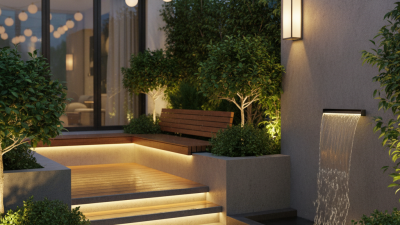
7. Up-and-Down Wall Light Living room, hallway, exterior entry Creates decorative beams of light above and below the fixture. Works well on a clear wall where the light pattern can be seen. For outdoor use, choose a fixture with a suitable weather-resistance rating.
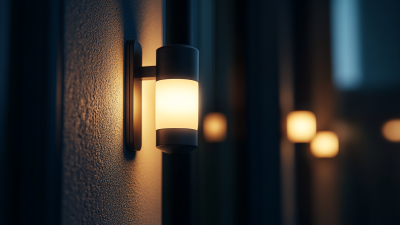
8. Lantern-Style Wall Light Porch, entryway, dining room Adds a decorative focal point and can provide ambient or entry lighting. Match the fixture's scale to the wall and doorway. For exposed outdoor locations, verify that its rating is appropriate for the site.
9. Reading Wall Light Bedroom, library, reading nook Directs light onto a book or other reading surface. Position the light so it illuminates the page without shining directly into the reader's eyes; adjustable heads offer greater flexibility.
10. Candle-Style Wall Light Dining room, living room, hallway Adds decorative, often softly diffused light for a traditional or formal look. Use as accent lighting or in pairs along a wall. Consider dimmable lamps where compatible with the fixture and lighting controls.

Placement, Brightness, and Color Temperature Considerations

Wall lights work best when their position responds to what people actually do in a room. Beside a bed, place an adjustable reading light slightly behind the reader’s shoulder, reducing glare on the page. In a hallway, mount fixtures high enough to avoid eye-level glare, but space them to prevent dark gaps. IES guidance in the Lighting Handbook puts many reading tasks around 300–500 lux at the task surface; a wall sconce alone may not deliver that, so check the actual page brightness.

Brightness matters. A dimmable fixture can soften a bedroom in the evening and provide more useful light for dressing. For a mirror, use lights on both sides when possible; overhead-only lighting can cast shadows under the eyes and chin. DOE guidance on color temperature describes lower Kelvin light as warmer and higher Kelvin light as cooler. Around 2700–3000 K often feels comfortable in bedrooms and living rooms, while 3000–4000 K can make kitchens and work areas feel clearer. These are starting points, not rules.

Match the beam to the wall and room. A narrow up-and-down beam can make a textured surface glow, but it may leave a desk in shadow. Light-colored walls reflect more light than dark finishes, so the same fixture can feel brighter in one room than another. I still find sample bulbs useful. Color can look different at night. Check the fixture from a seated position, too, and adjust its dimmer before settling on a final brightness.

Installation, Safety, and Ongoing Maintenance

Wall lights can serve very different purposes: a swing-arm fixture beside a bed needs adjustable reach, while a hallway sconce should spread light without catching shoulders or bags. Installation starts with the wall itself. Confirm that the mounting point can support the fixture, and use a suitable electrical box. Turn off power at the breaker and verify the wires are not live with a tester. Small details matter. If wiring, grounding, or the wall structure is unclear, ask a qualified electrician rather than improvising.

Choose fixtures rated for the room’s conditions. Bathrooms and covered outdoor areas may need protection from moisture; check the fixture’s rating and follow local electrical requirements. Position bedside lights so switches are reachable, and keep hot bulbs clear of curtains and bedding. There is no single perfect height for every room, despite how neat standard measurements look on paper.

Dust collects quickly. Wipe the fixture with a soft, dry cloth after switching it off and letting bulbs cool. Avoid spraying cleaner into sockets or onto electrical parts. Check periodically for loose shades, flickering, unusual heat, or cracked insulation. Replace damaged components promptly, using bulbs within the fixture’s stated wattage limit. If a light keeps flickering after a suitable bulb is installed, stop using it and have the wiring checked.