Wide Led Strip Lights Tips for Your Home Design Needs?
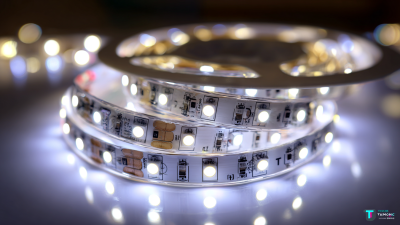
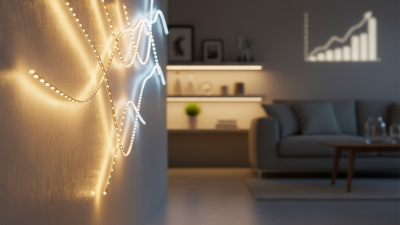
Creating a captivating home design can be both exciting and challenging. One effective way to enhance your space is through Wide Led Strip Lights. These versatile lighting solutions can transform any room, adding warmth and style. Their flexibility allows for creative installations, from under cabinets to along ceilings.
Wide Led Strip Lights come in various colors and brightness levels. This enables you to tailor the ambiance for different occasions. However, it’s essential to consider the placement carefully. Poorly positioned lights can create harsh shadows or uneven illumination. Experimenting with different arrangements can lead to impressive results.
While Wide Led Strip Lights are user-friendly, achieving the perfect effect often requires trial and error. You may encounter challenges such as adhesive failure or inadequate brightness. Reflection on these experiences can lead to better installation techniques and improved aesthetic outcomes. With thoughtful planning, you can make the most of these lights to elevate your home design.
Choosing the Right Width and Color Temperature for LED Strip Lights
Choosing the right width and color temperature for LED strip lights can significantly enhance your home design. For instance, wider strips can produce more light, making them ideal for larger spaces. A width of 16mm to 24mm works well for task lighting. In contrast, narrower strips, at around 10mm, are perfect for accent lighting and smaller areas. Selecting the appropriate width makes a difference in both aesthetics and functionality.
Color temperature influences the mood of a room. For warm, cozy atmospheres, opt for lights around 2700K to 3000K. Cooler temperatures, such as 4000K to 6000K, are better for areas needing focus, like kitchens or home offices. It's essential to match the color temperature with the intended use of the space.
Consider the layers of light in your design. Different strips may fail to blend well in various settings. Play around with widths and colors to find the perfect combination. Sometimes, a mix of warm and cool in one area can create a unique look. Reflect on how lighting affects your daily routine and adjust accordingly for improvement.
Understanding Different Types of LED Strip Lights for Home Use
LED strip lights have become increasingly popular in home design. Understanding the different types available can help you make the right choice. There are various options, each serving unique purposes. For instance, there are waterproof strips for bathrooms and outdoor areas. They offer durability and peace of mind. Non-waterproof options, on the other hand, are great for accent lighting in living rooms and kitchens.
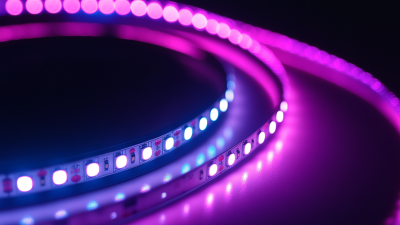
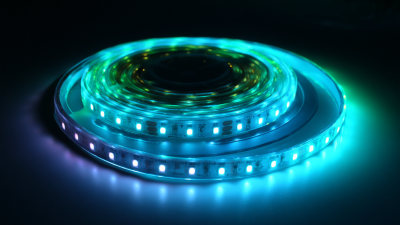
Color temperature is another important consideration. Warm white LEDs create cozy atmospheres, perfect for relaxation. In contrast, cool white lights are more energy-efficient and suitable for workspaces. RGB LED strips allow for changing colors, adding versatility to your decor. However, mixing too many types can lead to a cluttered look. It may take time to find the ideal combination for your space.
Installation can be tricky. Some strips come with adhesive backing, making them easy to apply. Others may require clips or brackets, which complicate the process. Take your time ensuring that the placement is correct to avoid future adjustments. Remember, lighting can transform a room but choosing the wrong type can lead to dissatisfaction. Reflect on your design goals to ensure the lighting enhances your overall aesthetic.
Creative Ways to Incorporate LED Strip Lights in Home Design
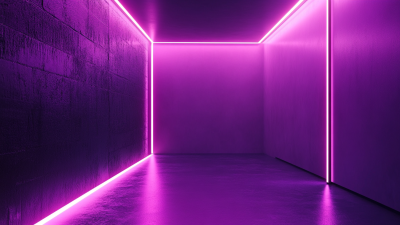
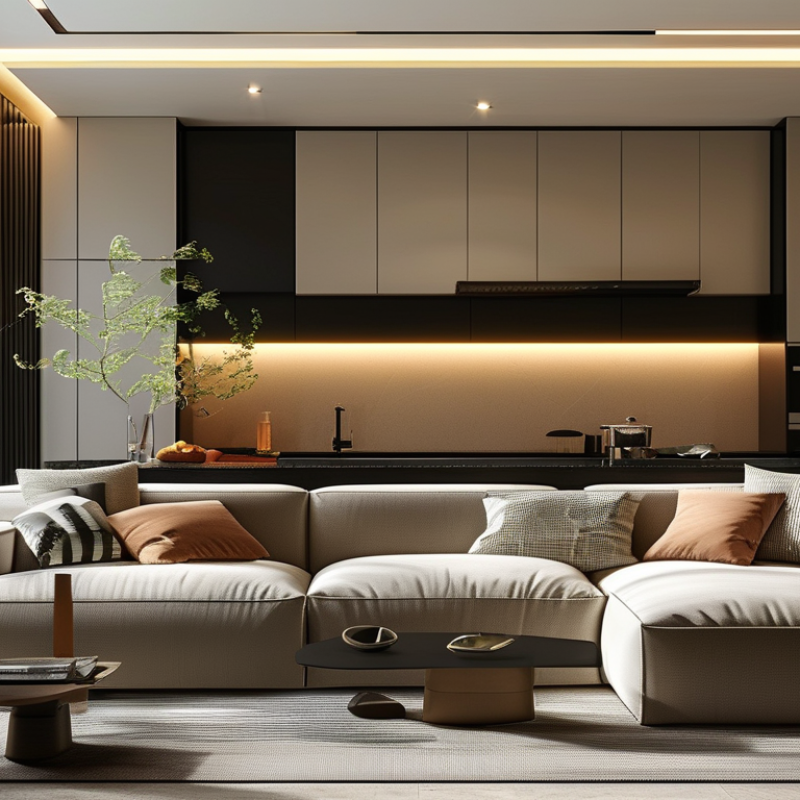
LED strip lights are an innovative way to add flair to your home design. You can use them in various creative ways. Consider placing them under shelves or cabinets for a subtle glow. This can create depth and highlight your favorite décor items. Additionally, using LED strips along staircases adds safety and a touch of elegance.
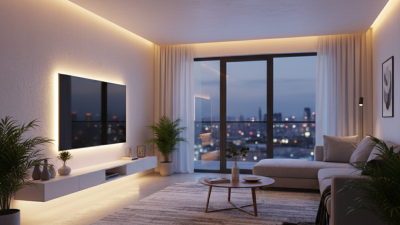
You might also explore using LED strips behind televisions. This not only enhances the viewing experience but also reduces eye strain. Opt for color-changing strips to match the mood of your movie nights. Incorporating them in your bedroom can create a calming atmosphere. Soft, warm lights can make your space feel more inviting.
When planning your design, think about the overall ambiance you want to achieve. Experiment with different placements and colors. Sometimes, it may take a few tries to find what feels right. If the lights are too bright, they might overpower the room. Adjusting their intensity can help strike the right balance. Ultimately, trust your instincts on what works in your space.
Wide Led Strip Lights Tips for Your Home Design Needs
| Application Area |
Color Temperature |
Length of Strip |
Power Source |
Unique Features |
| Kitchen Cabinet Lighting |
Warm White (3000K) |
16.4 ft |
AC Power |
Dimmable, Waterproof |
| Living Room Accent Lights |
Cool White (5000K) |
32.8 ft |
Battery Operated |
Color-Changing, Remote Control |
| Bedroom Ambient Lighting |
Soft White (2700K) |
9.8 ft |
USB Power |
Smart Home Integration |
| Under Bed Lighting |
RGB Multi-Color |
10 ft |
AC Power |
Motion Sensor, Dimmable |
Installation Tips for LED Strip Lights: Tools and Techniques
Installing LED strip lights can transform your living space. It adds warmth and style, but requires some preparation. Start by gathering essential tools: scissors, a measuring tape, a level, and adhesive. Ensuring your surface is clean and dry is vital. This step is often overlooked, but dust can hinder adhesion. Measure the areas where you want to place the lights. Accurate measurements help in cutting the strips correctly.
When it comes to installation techniques, consider your approach carefully. Peel and stick is common, but not foolproof. It may not last, especially in humid rooms. Using brackets or clips can provide more security. For corners, cutting and connecting strips can be tricky. Practice makes perfect here. Make sure to plan your layout in advance. This prevents any last-minute adjustments that can disrupt the look.
Wiring is another crucial step. Ensure your power source is suitable and accessible. Overloading the circuit can cause issues. If you're unsure, consult an expert. Experiment with different light positions before finalizing. Sometimes, repositioning a strip can create a whole new ambiance. It's about finding the right balance between form and function in your home.
Maintenance and Safety Considerations for LED Strip Lighting
LED strip lighting has become a popular choice for home design. However, maintenance and safety are often overlooked. Regular checks are crucial for a long lifespan. According to the U.S. Department of Energy, improperly installed LED lights can have a shorter lifespan. It's essential to ensure connections are secure and that the strips are not damaged.
Dust and debris can accumulate on LED strips, affecting brightness. Cleaning them regularly can improve performance. Use a soft, dry cloth to wipe down the strips gently. Avoid using liquids that can damage electrical components. The National Fire Protection Association recommends keeping cords out of walkways to prevent accidents.
Considerations for installation are also critical. Ensuring the power supply matches the strip's requirements is vital. Overloading can lead to overheating. A study by Lighting Research Center showed that excessive heat can reduce LED performance by up to 30%. Always operate within the manufacturer’s guidelines. Review your setup periodically to identify potential safety hazards.
Wide LED Strip Lights Maintenance and Safety Considerations