Essential Tips for Choosing Small Led Strip Lights?
Small LED strip lights have become a popular lighting option for both residential and commercial spaces. According to a report by the U.S. Department of Energy, LED lighting can save up to 75% more energy compared to traditional incandescent bulbs. This statistic highlights the efficiency of small LED strip lights in reducing energy consumption and costs.
When choosing these lights, consumers often overlook crucial features. For example, the brightness level and color temperature play significant roles in creating the right ambiance. A study from the Lighting Research Center indicates that proper lighting can enhance mood and productivity in various settings. This connection invites deeper consideration of how small LED strip lights contribute to overall well-being.
Many options in the market may confuse buyers. It's essential to note that not all small LED strip lights are created equal. Some might have poor color rendering or short lifespan, leading to buyer regret. Evaluating factors like warranty and brand reputation can help navigate these choices. Ultimately, making an informed decision is key to maximizing the benefits of small LED strip lights in any project.
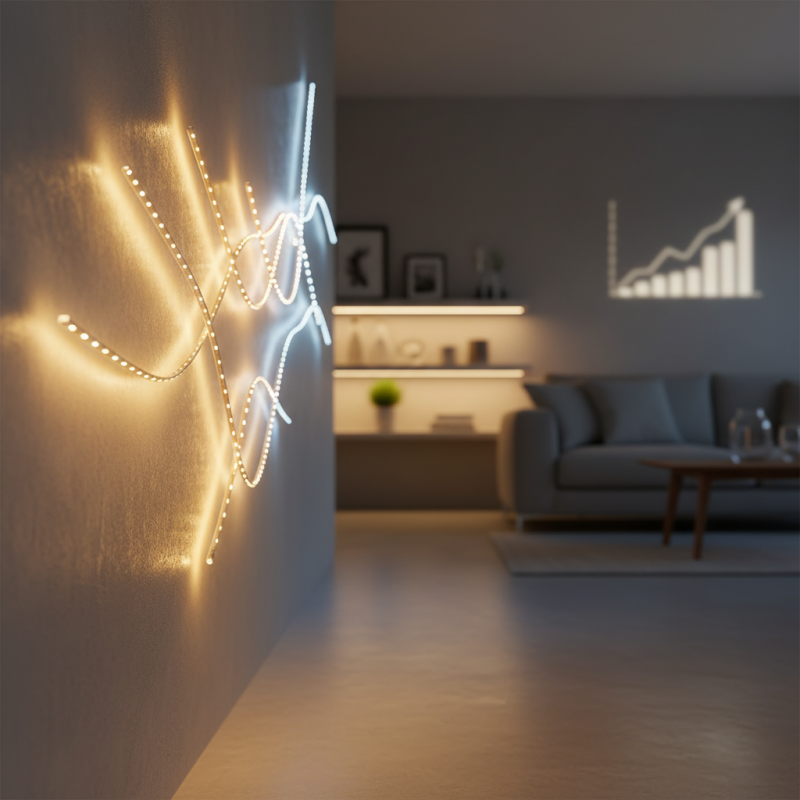
Understanding the Basics of Small LED Strip Lights
When considering small LED strip lights, understanding the basics is crucial. These lights are versatile and easy to install. They come in various lengths, colors, and brightness levels. From accent lighting to functional illumination, their applications are vast.
When choosing the right strip, consider the environment. Indoor settings may require different brightness than outdoor spaces. Take note of the color temperature as well. Warmer tones create a cozy feel, while cooler tones offer a modern vibe. Assess where you want to place the lights. Measure the length carefully.
Pay attention to the adhesive backing. It needs to stick well for a long time. Test the strip in a small area before a full installation. This way, you can see how the light interacts with the space. Keep in mind that not all strips are waterproof. Plan accordingly for damp areas. Using connectors can simplify future adjustments. This flexibility is often overlooked but essential for long-term satisfaction.
Important Factors to Consider When Selecting LED Strip Lights
When selecting LED strip lights, several factors play a crucial role. First, consider the brightness level. Look for lumens to gauge how much light a strip produces. Too bright can be blinding; too dim can be disappointing. The color temperature also matters. Warm white evokes a cozy atmosphere, while cool white offers a modern vibe. Decide which will suit your space best.
Choose the right length. LED strips can easily be cut. However, cutting them improperly can lead to uneven lighting. This is frustrating. Make sure to plan your layout in advance; measure twice, cut once. Also, look for flexible options if you have curves or corners.
Don’t overlook the power source. Some strips operate on USB, while others require mains power. Evaluate your setup before purchasing. Sometimes, unexpected issues arise. For example, if the power supply is inadequate, the lights won’t shine as expected. Always double-check compatibility to avoid trouble later.
Types of Small LED Strip Lights for Different Applications
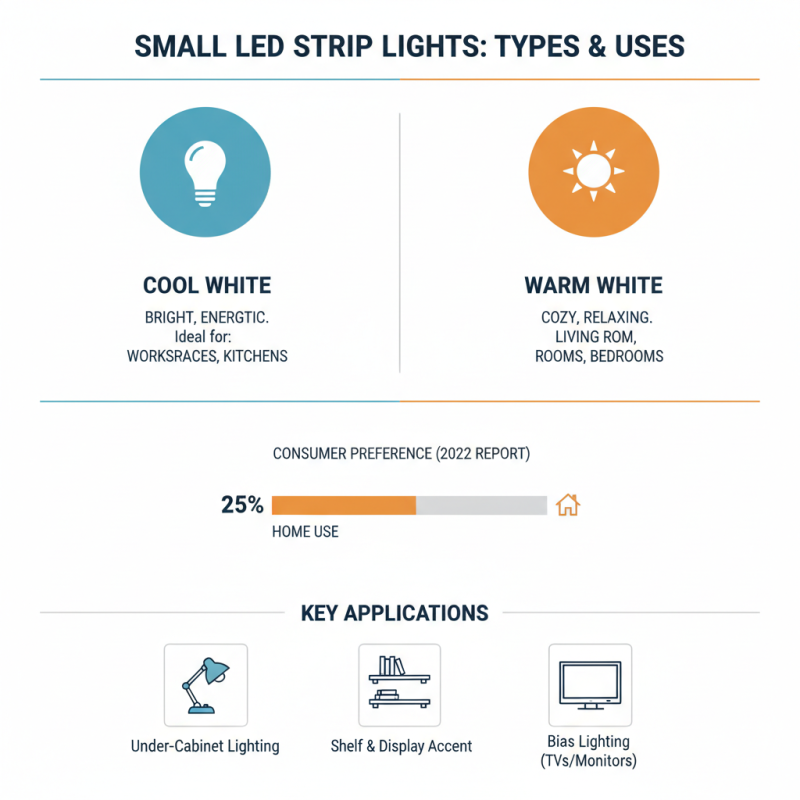
When selecting small LED strip lights, understanding their types and applications is crucial. Generally, small LED strip lights vary in brightness and color temperature. For example, cool white strips provide a bright, energetic ambiance, perfect for workspaces. In contrast, warm white strips create a cozy atmosphere, ideal for living areas. According to a 2022 lighting report, 25% of consumers prefer warm lighting for home use.
Flexible LED strips are popular for unique installations. They can bend around corners or fit in tight spaces. The ability to customize lengths and colors offers countless design possibilities. A study showed that over 40% of interior designers chose flexible strips for their versatility and ease of installation. However, not all strips are suitable for every task. Users report issues with adhesive backing not holding well over time, which can be frustrating.
Waterproof LED strips are another type to consider, especially for outdoor applications. These strips resist moisture and can withstand varying weather conditions. Recent statistics reveal that outdoor lighting can enhance home security by up to 20%. Still, users need to ensure proper installation to prevent short circuits. Investing in compatible connectors is often required but can also lead to additional costs that may not be initially considered.
Key Features to Look for in Small LED Strip Lights
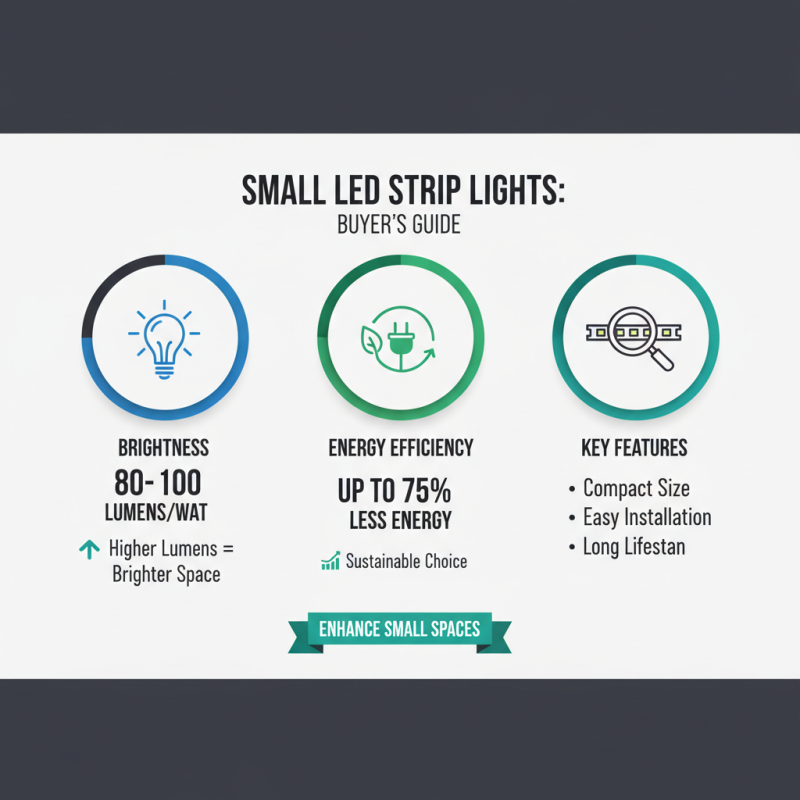
When choosing small LED strip lights, it's essential to consider several key features. Brightness is paramount. The luminous efficacy of LED lights can range from 80 to 100 lumens per watt. Higher lumens mean a brighter light which can enhance small spaces effectively. According to industry reports, efficient lighting can reduce energy consumption by up to 75%. This is worthy of consideration for sustainable choices.
Color temperature is another critical aspect. LED strips generally offer a range from 2700K to 6500K. Warmer tones create a cozy atmosphere, while cooler tones serve better for task lighting. Many users find that using adjustable color temperatures increases versatility. This adaptability makes them suitable for various occasions and moods, although it may lead to overcomplicating simple lighting needs.
Also, look for flexibility and adhesive strength. A strip that bends easily can fit in tight spaces. A strong adhesive is crucial; weak glue can lead to falling strips over time. Reports indicate that poorly adhered LED strips could result in an average 20% installation failure rate. It's something to consider to avoid disappointment later. Each feature plays a role, and the wrong combination can lead to unsatisfactory lighting experiences.
Installation Tips for Small LED Strip Lights
Installing small LED strip lights can transform any space. Before starting, measure the area thoroughly. An accurate measurement helps avoid surprises later. If the strip is too long, cutting is necessary. This can be tricky. Follow the cutting line carefully to avoid damaging the circuits.
When it comes to adhering the strips, surface prep is vital. Clean the area where you will place the strips. Dust and grime can prevent proper adhesion. A strong bond ensures longevity. Press firmly when attaching to the surface. This can help prevent peeling or detachment.
Wiring can be confusing if you are not experienced. Double-check the polarity of the connections. Incorrect wiring can cause failure. Test the lights before finalizing the installation. Keep extra connectors handy; mistakes can happen.
Sometimes the lights flicker or don’t turn on at all. These moments can be frustrating, requiring patience and a bit of troubleshooting.