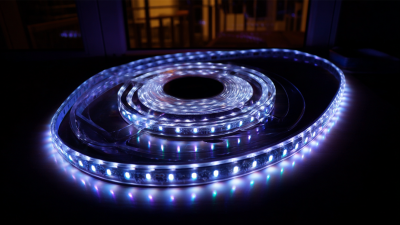
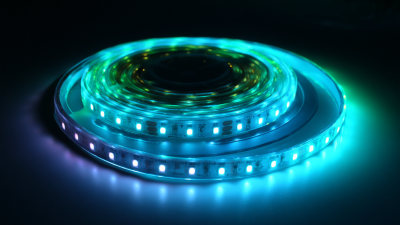
How to Choose the Best Exterior Led Strip Light for Your Needs?
Selecting the right Exterior LED Strip Light can significantly enhance your outdoor spaces. According to a recent market report by Grand View Research, the global market for LED lighting is projected to reach $105.83 billion by 2027, highlighting a growing trend towards efficient and effective lighting solutions. With advancements in technology, these lights have become more versatile, offering various features such as waterproofing and color customization.
When considering an Exterior LED Strip Light, it's crucial to assess your specific needs. Factors like brightness, length, and energy efficiency play a vital role in your decision-making process. For instance, a higher lumen output is essential for larger areas, while energy-efficient options can lead to savings on electricity bills. However, many consumers underestimate installation challenges and compatibility with existing setups, which can lead to frustration.
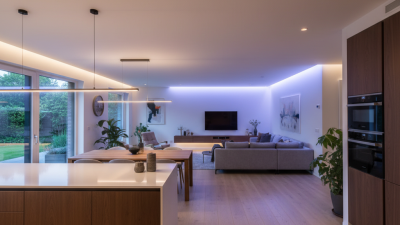
Investing in a high-quality Exterior LED Strip Light can transform your outdoor environment with warmth and aesthetics. Still, evaluating different brands and products requires careful consideration of their specifications and performance reviews. The right choice not only enhances usability but also ensures durability against weather elements, aligning with your outdoor lifestyle.
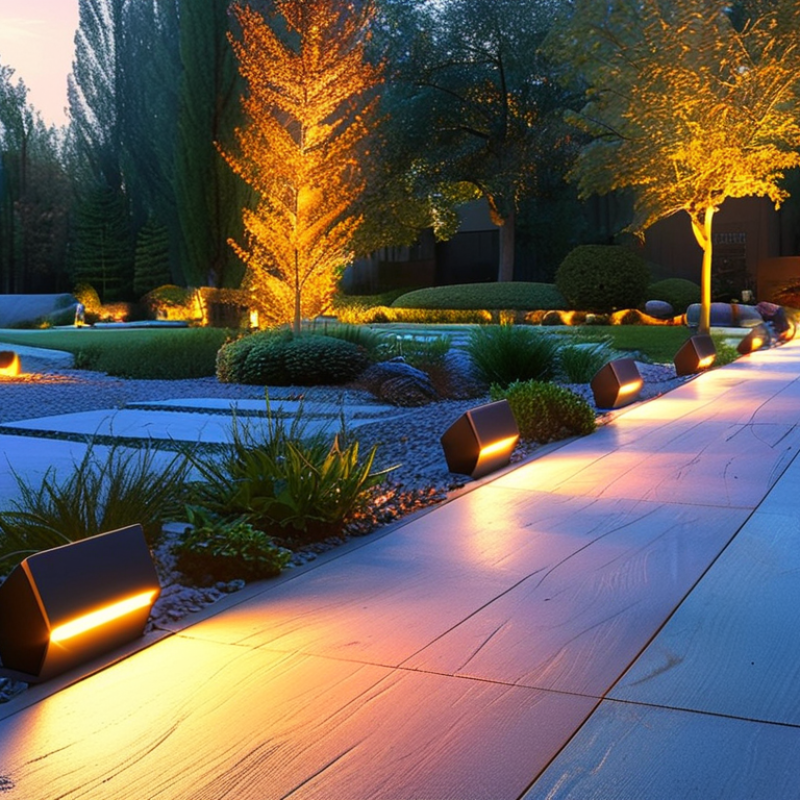
Types of Exterior LED Strip Lights Available on the Market
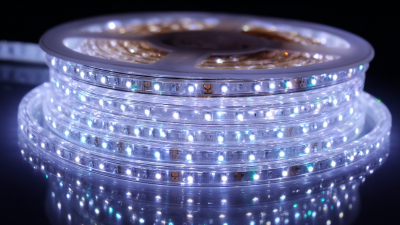
When considering exterior LED strip lights, it’s crucial to understand the different types available on the market.
Market research indicates that the global LED lighting market is expected to reach $160 billion by 2026.
This growth is driven by the increasing demand for energy-efficient lighting solutions.
There are a variety of exterior LED strip lights to choose from. For instance, waterproof LED strips are ideal for outdoor use, offering durability against the elements. Typically rated with an IP65 or higher, these strips can withstand water splashes and moisture. Additionally, RGB or color-changing strips provide versatility for creative lighting designs. They allow homeowners to customize the ambiance, especially during special events.
Not all LED strip lights have the same brightness. Brightness is measured in lumens. The average brightness for outdoor LEDs ranges from 300 to 700 lumens per meter. Choosing the right brightness is essential for achieving the desired lighting effect. Some may find it challenging to strike a balance between intensity and ambiance. Reflecting on your specific needs will help you select the best fit. Understanding these factors equips consumers with the knowledge to make an informed decision.
Factors to Consider When Choosing LED Strip Lights for Outdoor Use
When selecting LED strip lights for outdoor use, several factors come into play. Begin by assessing the brightness and color temperature you need. A warm white may create a cozy atmosphere, while cool white can add a modern touch. You should consider the length of the strip, ensuring it fits your project's requirements. Think about the layout: straight lines or curves can impact how much light you need.
Weather resistance is critical for durability. Ensure the strip has a suitable IP rating. An IP65 rating or higher is ideal for outdoor conditions. You want lights that can withstand rain and humidity, prolonging their lifespan. Additionally, check the temperature range of the lights. Some might not work well in extreme conditions.
Don't overlook power source compatibility. Battery-operated strips offer flexibility, but plug-in options can provide brighter illumination. It’s worth testing your selected model to see how it performs under your specific conditions. Not all products live up to their promises, so look for user reviews to gauge reliability.
Spacing is another important consideration. If you place them too close, you risk overpowering the area with light. Yet, too far apart can leave dark gaps. Finding a balance is key to achieving the desired effect. This process may require adjustments, so be willing to experiment before making a final decision.
Evaluating Brightness and Color Temperature in Exterior LED Strips
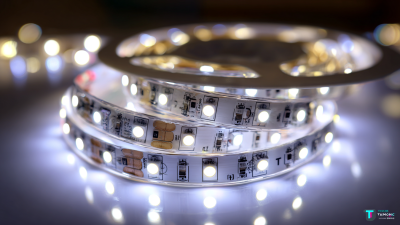
When selecting exterior LED strip lights, brightness and color temperature are critical factors to consider. Brightness is typically measured in lumens. For outdoor use, it's recommended to choose strips with at least 300 lumens per meter for effective illumination. A report from the U.S. Department of Energy indicates that LED lights can produce more lumens per watt than traditional lighting options. This efficiency means better performance while consuming less power.
Color temperature, measured in Kelvin (K), greatly impacts the ambiance of your outdoor space. Strips offering a range from 2700K to 5000K can create different atmospheres. Warmer temperatures (2700K-3000K) create a cozy feel, while cooler options (4000K-5000K) are more energizing. According to an industry survey by the Lighting Research Center, outdoor lighting temperature preferences can influence mood and safety perceptions.
Consider the specific needs of your space. If the area is to be functional, cooler temperatures could enhance visibility. For relaxation zones, warmer lights may be more suitable. Quality design should avoid hotspots and uneven light distribution, which can detract from the overall look.
Installing LED strips with adjustable brightness can be beneficial. This allows you to adapt lighting to varying needs. Ensure you choose products that have appropriate waterproof ratings. This is crucial for durability and safety in outdoor settings. Balancing brightness and color temperature is essential for achieving the desired lighting effects.
Understanding Weather Resistance and Durability Ratings for LED Strips
When selecting exterior LED strip lights, understanding weather resistance and durability is crucial. A report by the Lighting Research Center reveals that LED strips can have varying ratings based on their material and construction. For instance, IP (Ingress Protection) ratings are vital. An IP65 rating indicates protection against dust and low-pressure water jets, suitable for outdoor use. Conversely, an IP67 rating can withstand immersion up to 1 meter deep. These ratings help ensure the longevity and performance of your lights in harsh weather.
The material composition also plays a significant role. Many manufacturers use flexible silicon tubing, which offers better durability against UV rays and temperature fluctuations. According to industry statistics, LED lights with low-quality housing can degrade in performance by up to 30% within two years when exposed to outdoor elements. This can lead to flickering or color fading. It’s important to consider both the housing material and the LED quality when making your choice to ensure long-term satisfaction. Investing initially in better-quality products may avoid higher replacement costs later.
How to Choose the Best Exterior LED Strip Light for Your Needs?
| Feature |
Value |
Rating (1-5) |
| Weather Resistance |
IP65 - Waterproof |
4 |
| Durability Rating |
50,000 hours |
5 |
| Color Temperature |
Cool White (6000K) |
4 |
| Voltage |
12V |
5 |
| Length |
16.4 feet |
4 |
| Flexibility |
Highly Flexible |
5 |
Installation Tips for Exterior LED Strip Lights: Best Practices and Techniques
When it comes to installing exterior LED strip lights, proper preparation is crucial. Start by selecting a clean area free from dust and debris. This ensures that the adhesive will stick firmly. Before applying the strip, measure the surface to ensure the lights fit perfectly. Cutting the strip incorrectly can lead to wasted materials and frustration. Consider your power source. If the distance is long, you may need extra cable.
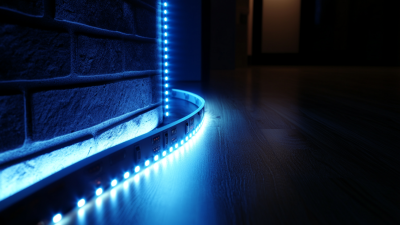
Placement is another key element. Try to avoid corners where the strip bends sharply. Instead, opt for straight lines or gentle curves. This will reduce the risk of damaging the lights. Using mounting clips can help secure the strip in place, minimizing sagging. Test the lights before final installation. This allows you to address any issues early.
Humidity and temperature can affect installation. Make sure the area is dry, especially in damp conditions. Also, consider using heat-resistant adhesives in hotter climates, as exposure to sunlight can weaken bond materials over time. Reflect on your setup after installation. Are the lights bright enough? Do they illuminate the area as desired? Adjusting the angles may help achieve the perfect glow. Every step matters for a successful outcome.