How to Choose the Best Waterproof Emergency Light for Emergencies?
When preparing for emergencies, choosing the right Waterproof Emergency Light is crucial. Power outages or natural disasters can strike without warning. In such cases, having a reliable light source can make all the difference. A Waterproof Emergency Light not only provides illumination but also ensures durability against harsh conditions.
Many factors influence your decision. Consider brightness, battery life, and how easy it is to use. Some lights may claim to be waterproof but fail in heavy rain or submersion. Testing the light in real scenarios before trusting it is essential. Remember, a poor choice can lead to panic and disarray when you need clarity.
Additionally, the weight and portability matter. In emergencies, you want something easy to carry. Too many lights are bulky and impractical. Reflecting on my past experiences, I recall instances when I relied on inadequate lights. This serves as a reminder of the significance of careful selection. Your safety could depend on it. Choose wisely.
Understanding the Importance of Waterproof Emergency Lights
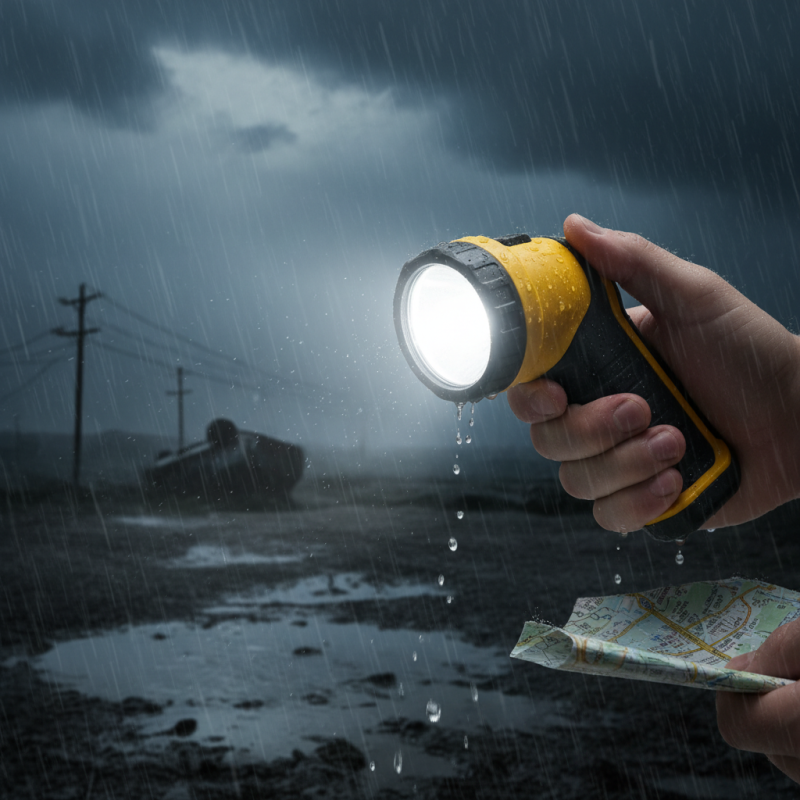
Waterproof emergency lights are essential during unexpected situations. Their importance cannot be overstated, especially in storms or floods. Water-resistant features ensure they work when you need them most. A good waterproof light remains functional, even when exposed to rain or splashes. This reliability can be a difference-maker in emergencies.
When selecting a waterproof emergency light, consider brightness and battery life. Brightness is key for visibility in dark environments. Longer battery life ensures the light lasts through extended outages. Pay attention to the light's design as well. An ergonomic shape may allow for easier handling in stressful situations. Remember, not all lights are created equal. Some may fall short during critical use.
Tips: Test your light regularly. This practice helps ensure it functions properly when needed. Keep spare batteries on hand. They can save you from panic when circumstances are dire. Don’t wait until the last minute to choose a reliable light. Reflect on how often you face power outages or natural disasters. Prepare in advance for peace of mind.
Key Features to Look for in Waterproof Emergency Lights
When choosing a waterproof emergency light, several key features are crucial. First, consider the light's IP rating. A high IP rating, such as IP67 or IP68, ensures that the light is fully submerged in water without damage. A study shows that devices with IP67 ratings can withstand immersion for up to 30 minutes. This durability is essential during floods or severe weather.
Brightness and battery life are also critical. Emergency lights should provide at least 200 lumens for visibility. Reports indicate that lights offering 500 lumens or more are especially effective in emergencies. A light with a rechargeable battery lasting up to 12 hours can be a lifesaver. Whether navigating a dark area or signaling for help, extended battery life maximizes safety.
Weight and portability are factors to reflect on as well. Some emergency situations require quick movement. Lights weighing less than one pound are easier to carry. Compact designs enhance usability during urgent scenarios. Keep in mind that overly complex features might complicate usage under stress. Simple, reliable lights are often best when every second counts.
Types of Waterproof Emergency Lights Suitable for Various Situations
When selecting a waterproof emergency light, different types serve various needs. Flashlights offer portability and direct illumination. Look for models with a solid grip. Lanterns provide 360-degree light and are great for gatherings or campsites. For a larger area, choose one with high lumens.
Tips: Check battery longevity before buying. This can save you during an emergency. Aim for lights with rechargeable options. They can be more convenient.
Consider headlamps for hands-free use. They are ideal when you need both safety and mobility. Waterproof ratings should be verified to ensure reliability in rain or splashes. Some lights claim to be waterproof, but improper seals can be an issue. Testing them in controlled situations can help validate their claims.
How to Choose the Best Waterproof Emergency Light for Emergencies?
| Type of Light | Waterproof Rating | Battery Life (hours) | Brightness (Lumens) | Best Use Situations |
| LED Lantern | IPX6 | 30 | 400 | Camping, Power Outages |
| Handheld Flashlight | IPX7 | 20 | 1000 | Search & Rescue, Outdoor Activities |
| Headlamp | IPX4 | 10 | 300 | Hands-Free Tasks, Hiking |
| Emergency Beacon | IPX8 | 50 | 200 | Maritime Use, Emergency Situations |
| Solar LED String Lights | IP65 | 12 | 150 | Backyard Parties, Camping |
Evaluating Brightness and Battery Life for Optimal Performance
When choosing a waterproof emergency light, brightness is crucial. A light that is too dim won't serve its purpose during an emergency. Look for a lumens rating that ensures visibility in dark conditions. Typically, a range of 200 to 600 lumens is sufficient for most situations. Lights with adjustable brightness settings can offer flexibility. This way, you can save battery life when a softer light suffices.
Battery life is just as important. It’s frustrating when your light dies just when you need it most. Opt for lights that offer extended run times. Some models may boast over 10 hours on a single charge. However, not all manufacturers are honest about battery life. It’s essential to read reviews and ask questions to ensure reliability. Consider whether the light has replaceable batteries. This feature can be a game changer in prolonged emergencies.
Additionally, think about the charging method. Can it be charged via solar, USB, or hand-crank? A variety of options can provide peace of mind. Preparation is key, but there may still be feelings of unease. You might not choose the perfect light initially, and that's okay. Reflecting on your needs can lead to better decisions in the future. A little research can help avoid regrets down the line.
Tips for Proper Maintenance and Storage of Emergency Lights
Maintaining your emergency lights is crucial for their effectiveness during crises. Proper storage ensures their longevity. Store lights in a cool, dry location, away from direct sunlight. Humidity can damage battery life. According to a recent industry report, nearly 30% of emergency lights fail due to improper storage.
Regular inspections should become a habit. Check the batteries monthly. Replace any that show signs of corrosion or leakage. Keeping a log of battery changes helps track when replacements are due. A survey revealed that 50% of users never inspect their emergency lights. This oversight can have dire consequences in emergencies.
Consider cleaning your lights periodically. Dust and debris can obstruct brightness. Use a soft cloth to wipe the lenses. Stay aware of expiration dates on batteries. Discard expired batteries promptly to avoid leaks. Neglecting these tasks can lead to unreliable emergency tools. Regular care truly makes a difference when every moment counts.
