How to Choose the Best LED Strip Lights for Your Home?
When considering the perfect LED Strip Lights for your home, it’s essential to recognize their versatility and functionality. According to recent industry reports, the global market for LED lighting is projected to reach over $100 billion by 2025. This growth reflects rising interest in energy-efficient lighting options. LED Strip Lights, specifically, offer a unique solution for both aesthetic appeal and practicality.
Choosing the right LED Strip Lights can significantly enhance your living space. These lights are available in various colors, brightness levels, and lengths, catering to diverse design needs. A study indicates that 75% of homeowners appreciate the impact of lighting on mood and ambiance. However, selecting LED Strip Lights can be challenging, with numerous brands and specifications to navigate.
Reflecting on their attributes can lead to better choices. Are you prioritizing energy efficiency, ease of installation, or color options? Evaluating your needs is crucial. Awareness of potential limitations, such as adhesive strength and compatibility with existing fixtures, can save you time and effort. Thus, choose wisely, and illuminate your home effectively.
Understanding LED Strip Lights and Their Uses
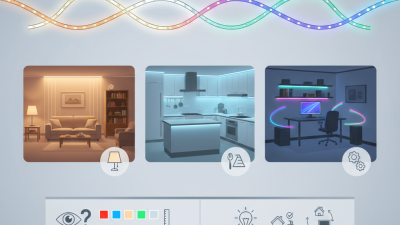
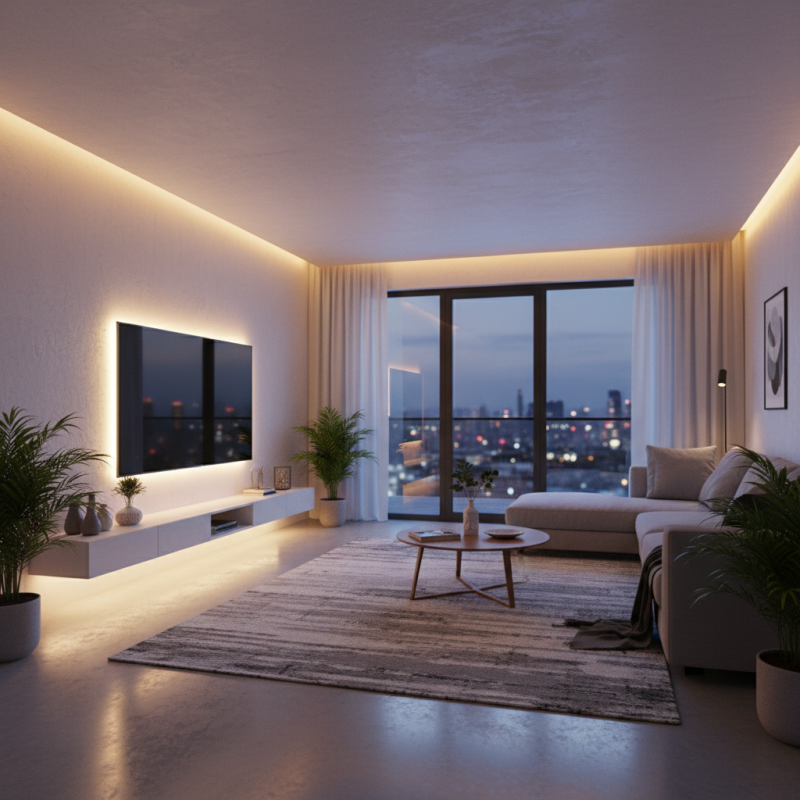
LED strip lights are versatile and popular for various uses in homes. They can enhance the ambiance of a room. You can place them under cabinets, behind TVs, or on shelves. These lights come in different colors and brightness levels. This flexibility allows for creativity in design.
Many people often overlook the installation process. Proper placement is key to achieving the best effect.
Understanding the different types of LED strip lights is crucial. There are RGB options that change colors and white lights for a cleaner look. The brightness measured in lumens is another factor. Dimmer strips may not provide adequate lighting in some areas.
Also, consider the adhesive backing quality. Some strips may peel off easily, resulting in an unsatisfactory experience. It's important to think about these practical aspects for a successful installation. Experimenting with different placements can be rewarding, but it may take time to perfect a setup.
Evaluating Brightness, Color Temperature, and Color Options
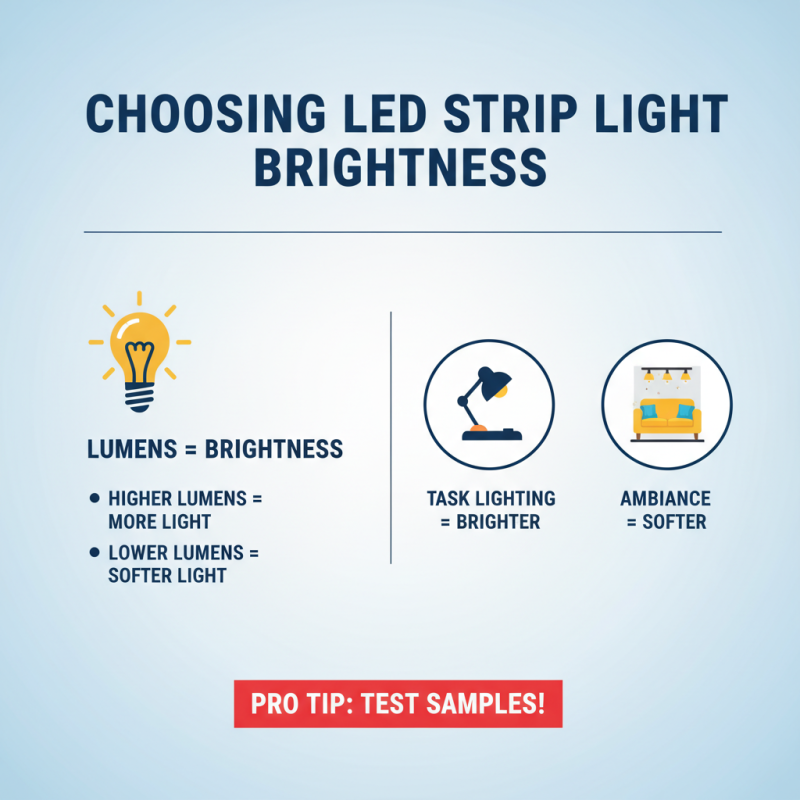
When choosing LED strip lights, brightness is crucial. Measured in lumens, higher numbers indicate more light. Consider how you'll use the lights. For task lighting, you'll want brighter options. For ambiance, softer lights can create a cozy feel. Remember, brightness can vary significantly between different products. Test out samples if possible before making a commitment.
Color temperature is another vital factor. This is measured in Kelvin (K). A lower Kelvin means warmer light, ideal for living areas. A higher Kelvin offers cooler, whiter light suitable for kitchens or workspaces. Think about your space’s mood. Do you want energy or relaxation? Evaluate how each temperature affects your feeling in the room.
Color options also play a big role. Some strips can change colors, providing versatility. You might appreciate having several colors for different occasions. However, sometimes the variety can be overwhelming. It’s okay to stick to one or two colors that complement your home’s design. Consider the overall aesthetic and how colors may clash or harmonize with your decor.
Assessing Length, Flexibility, and Installation Requirements
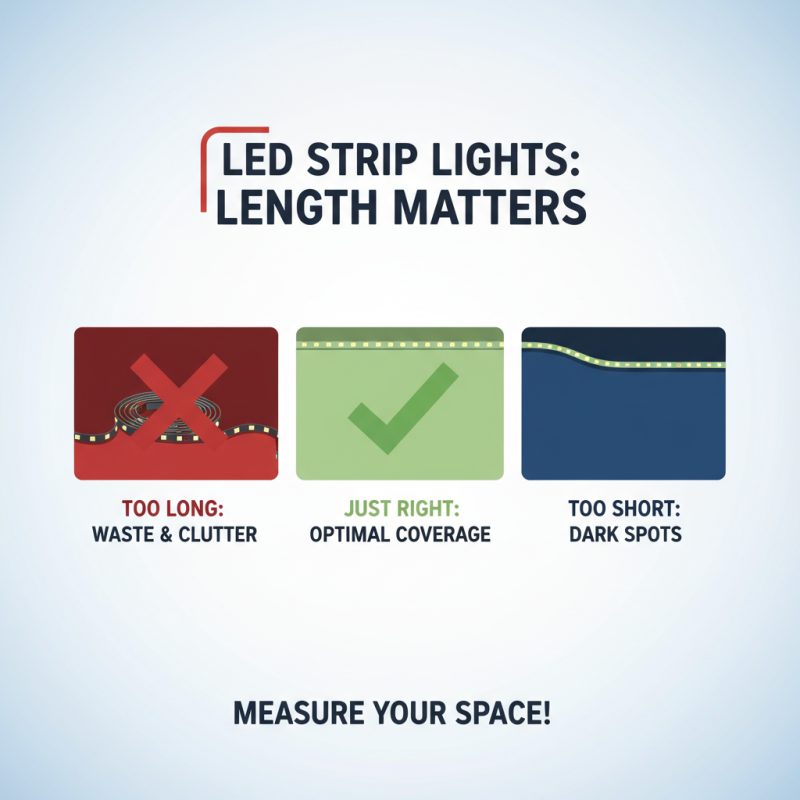
When selecting LED strip lights, length matters. Consider the area you wish to illuminate. Measure the space to ensure the lights fit seamlessly. Extra length is often wasted and can create clutter. On the other hand, too short lights may leave dark spots. Aim for a length that provides sufficient coverage without excess.
Flexibility is another crucial aspect. LED strip lights come in various forms. Some are rigid, while others bend easily. Flexible strips are great for corners or curved surfaces. They can follow the contours of furniture or walls. If your space has unique shapes, flexibility is key. However, the downside is they might be less sturdy.
Installation requirements should not be overlooked. Some strips offer adhesive backing. This makes installation simple. However, not every surface is suitable. If using in wet areas, ensure they are waterproof. For complex layouts, you may need connectors or power supplies. Plan ahead to avoid complications during installation.
Comparing Power Consumption and Energy Efficiency Ratings
Choosing the right LED strip lights for your home involves careful consideration of power consumption and energy efficiency. Many options exist, but not all are created equal. Understanding your needs is essential. For instance, bright lights might be desirable for task areas like kitchens, while softer lights may suit bedrooms.
Energy efficiency ratings provide insight into how much power the lights will use. Higher ratings indicate lower energy consumption. Look for lights with ratings that assure you of long-term savings. However, some might fall short of their claims, leading to unexpected electricity bills. Checking customer reviews can uncover these discrepancies.
Power consumption isn't just about the wattage; it also relates to how you plan to use them. If you’re using several strips, group them together in a circuit. This could affect overall power draw. Think about how you’ll manage their use. Sometimes, a lower upfront cost can mean higher usage, leading to greater expenses later. Hence, careful analysis is crucial when selecting LED strip lights.
How to Choose the Best LED Strip Lights for Your Home? - Comparing Power Consumption and Energy Efficiency Ratings
| Type |
Voltage (V) |
Power Consumption (W/m) |
Luminous Efficiency (lm/W) |
Energy Rating |
Estimated Annual Cost ($) |
| Single Color |
12 |
4.8 |
100 |
A+ |
$5 |
| RGB |
12 |
7.2 |
90 |
A |
$10 |
| Warm White |
24 |
12 |
95 |
A++ |
$8 |
| Cool White |
24 |
12 |
100 |
A+ |
$8 |
| Dream Color |
12 |
10 |
80 |
B |
$12 |
Exploring Smart Features and Control Options for LED Strips
When exploring smart features for LED strip lights, consider control options that enhance convenience. Many strips allow for smartphone integration, enabling users to adjust settings seamlessly. Imagine dimming the lights from your couch or changing colors with a simple tap. This level of control can transform how you experience your space.
Voice activation is another exciting feature. It allows for hands-free adjustments. Picture entering a room and saying, “Turn on the lights.” This can create a welcoming atmosphere without lifting a finger. However, some may find compatibility issues with various smart home systems. It’s essential to check if your LED strips sync well with existing devices.
Additionally, some lights support programmable scenes or schedules. This means you can set specific moods for different times. For instance, soft lighting for movie nights or bright lights for tasks. But creating these schedules may sometimes be tricky. It takes practice to find what works best for you. Smart features offer endless possibilities but require thoughtful consideration to maximize their potential.
LED Strip Lights Features Comparison